What Is Monk Fruit?

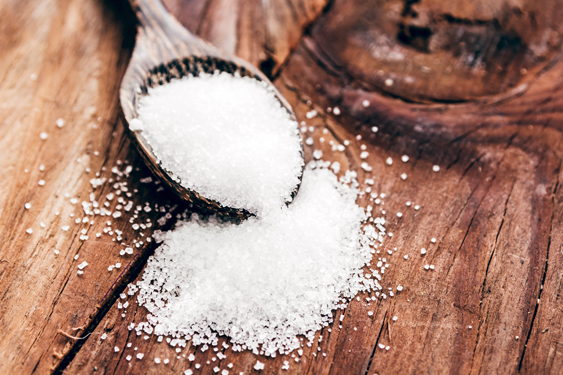
In our classes and counseling appointments, we often get a great question: "what is a healthy sugar substitute?"
Whether they are wanting to lose weight, break up with sugar cravings, have balanced blood sugar levels, reduce insulin resistance, or all of the above health concerns, our community knows reducing both sugar intake and added sugar products is an important lifestyle habit.
Monk fruit and stevia are both great sugar alternatives and today, I'll dig into why monk fruit sweetener might be a good option for you.
Watch on YouTube: Monk Fruit and Stevia Explained: Ask A Nutritionist
What Is Monk Fruit?
Monk fruit is not actually new. It has been used for hundreds of years in Asia, but is relatively new to consumers here in the US.
Monk fruit extract, (sometimes labeled Luo Han Guo), is a sweetener derived from a vine-ripened fruit from the gourd family in southern China, and although it is rarely eaten raw, it is one of the popular non-nutritive sweeteners.
Non-nutritive sweeteners are also called sugar substitutes or artificial sweeteners because they have zero calories or very low carbohydrates.
Once ripe, the monk fruit is dehydrated and made into a zero calorie sweetener as a syrup, a concentrated liquid sweetener, or a granulated powder.
Because of the variations in processing, the end product is somewhere between 150-400 times sweeter than table sugar.
Does Monk Fruit Sweetener Raise Blood Sugar?
Our clients are interested in how monk fruit would affect blood sugar levels and weight loss goals.
Are monk fruit products and monk fruit sweeteners good options for reaching health goals?
Unlike some sugar substitutes, monk fruit has very little to no aftertaste. There are also no known side effects of monk fruit, and it may even be anti-inflammatory.
So far preliminary research on monk fruit extracts is positive, showing minimal effect on blood sugar levels after consuming a beverage sweetened with monk fruit extract.
Most human trials are comparing monk fruit to stevia, sucralose, and table sugar on the basis of glycemic index and blood sugar control.
The FDA considers monk fruit "generally recognized as safe," meaning that experts have evaluated its safety and concluded it can safely be added to foods.
Animal studies have shown no adverse effects of high doses of monk fruit on rats and mice. Human studies are more limited, but one study showed no adverse effects when participants consumed 60 mg/kg body weight per day, which is a much higher amount than what would typically be consumed from foods sweetened with monk fruit.
Glycemic index (GI) is a measure of how quickly a substance increases blood glucose levels, meaning the higher the value on the GI the faster a substance increases blood sugars, which isn't a good thing because that increases our risk of diabetes, creates more triglycerides (think belly fat), and causes damage to our nerves.
Does Monk fruit Raise Insulin Levels?
Monk fruit is rated a zero on the glycemic index because it contains a natural compound called mogrosides that the body doesn’t recognize as carbohydrates or sugar, so no, Monk fruit doesn’t create an insulin response.
For comparison, table sugar is rated as a 65 on the glycemic index, commercial honey (think the squeezable honey bear) is between 45-64, and pure maple syrup is rated at 54.
Artificial Sweeteners To Avoid
To be specific, avoid artificial sweeteners like aspartame, sucralose, or saccharin.
These artificial sweeteners can interfere with metabolism and may cause weight gain.
For many people, brain health can be affected by artificial sweetener use and studies have shown that artificial sweeteners can increase the risk of dementia and stroke.
Dextrose should also be avoided. Although it is a “natural” sweetener made from corn, rice or wheat, it converts quickly to glucose and can raise blood sugar.
Sugar alcohols can be aggravating if you have digestive issues. If you have GI upset, avoid sugar alcohols (like erythritol) until you've healed your gut.
Is Monk Fruit Healthy?
To recap, yes, monk fruit is generally recognized as safe to be used as a more natural sugar substitute.
If you are occasionally looking to eat something sweet, we recommend a natural sweetener like honey, maple syrup, or fruit, which have nutrients and natural compounds with several health benefits in addition to their sweet taste, however, these will raise your blood sugar.
If you want something that won’t raise your blood sugar, monk fruit and stevia are great options.
One thing to note when choosing to use monk fruit sweeteners is that because it can be multiple times sweeter than sugar, the sweet taste may trigger your cravings, even though it's technically sugar free.
Just be aware you might experience more food and baked good cravings and choosing a balanced meal or snack will help to curb those sugar cravings.
For some folks who don't like the taste or aftertaste of stevia as a sugar substitute, monk fruit products become their go-to.
Curious to try monk fruit extract? Add some to your coffee as a natural coffee creamer or to sweeten your iced tea.
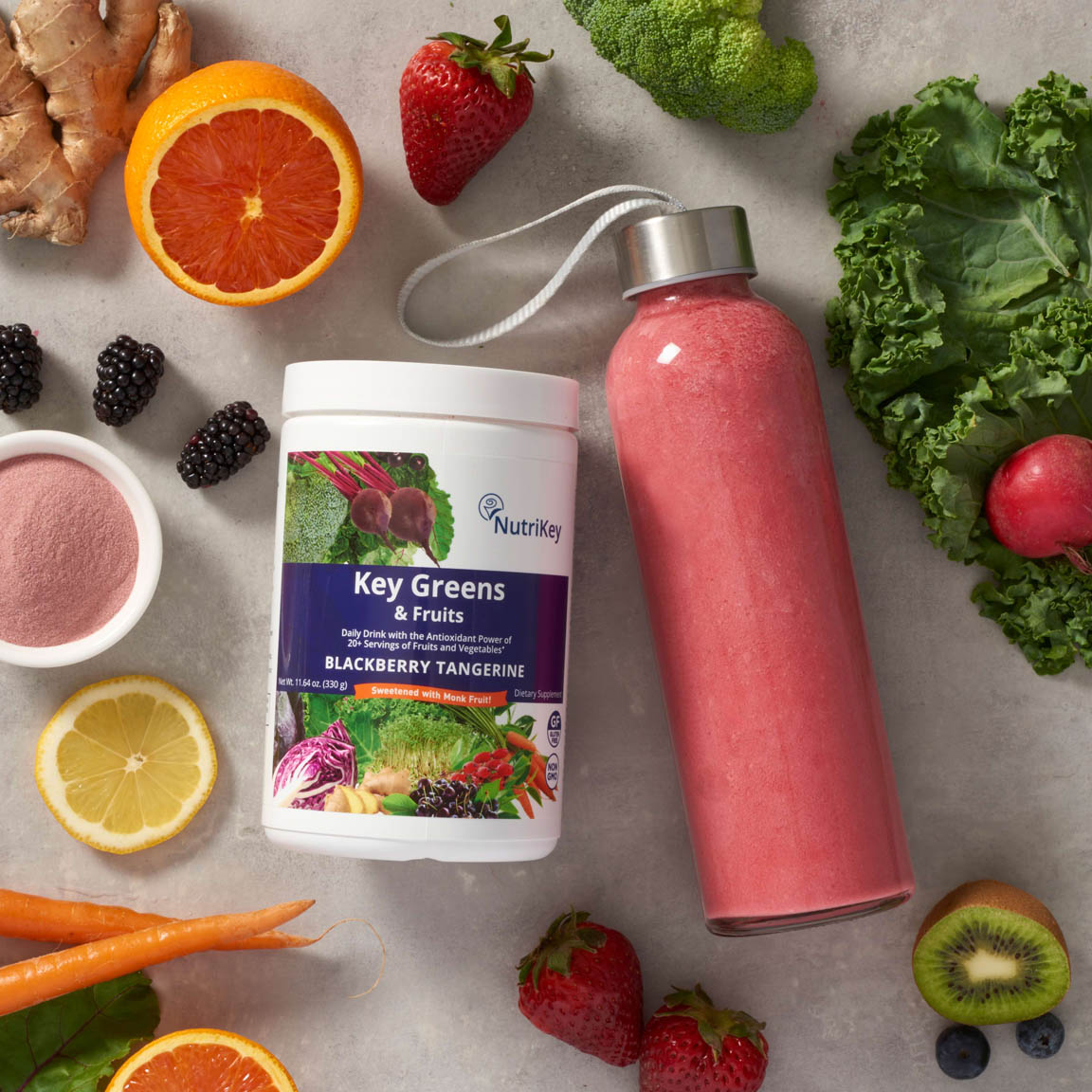
NutriKey Key Greens & Fruits, a daily drink with the antioxidant power of 20+ servings of fruits and vegetables, have several flavors that use monk fruit instead of stevia.
Key Greens Blackberry Tangerine, Strawberry Kiwi, and Chocolate are the flavors you can enjoy in smoothies or water for a cool drink for hot days ahead.
I have found most of my clients really like our products that contain monk fruit and it can be a great addition to your water or smoothies.
Want To Learn How To Break Up With Sugar?
Join our 28-Day Break Up With Sugar Challenge
Interested in learning more about sugar, check out these resources:
READ: Supplements For Sugar Cravings - common craving triggers and solutions plus supplements to support you
LISTEN: All About Sugar - Ask A Nutritionist - Do you know how much sugar is in your diet? How does sugar effect your glucose levels? Are you eating foods that turns into sugar in your body?Tune in to this weeks episode of Ask a Nutritionist to learn all about sugar.
READ: Is Insulin Resistance To Blame For Your Slow Metabolism? - how blood sugar works, how to tell if you have insulin resistance, and what to do about it so you can lose weight
TRY: Fun Cocktail Alternatives - enjoy happy hour without the alcohol and sugar impacting your blood sugar or weight loss goals
References:
Int J Obes (Lond). 2017 Mar;41(3):450-457. doi: 10.1038/ijo.2016.225. Epub 2016 Dec 13.
Eur J Clin Nutr. 2017 Sep;71(9):1129-1132. doi: 10.1038/ejcn.2017.37. Epub 2017 Apr 5.
Yao Xue Xue Bao. 2009 Nov;44(11):1252-7.
Share This Article