Help for Urinary Incontinence, Without Harmful Medication

 Many of us are familiar with advertisements for medication to help control overactive bladder and urinary incontinence. Some commercials inject humor, in an attempt to reach people who might be feeling embarrassed, helpless, and alone. As with other advertised medications, we’ve become accustomed to hearing the phrase, “common side effects may include…,” followed by a long list of unwanted symptoms. Incontinence, paired with the unfortunate medication “side effects,” can cause us to feel confused, anxious, and overwhelmed.
While surgical options are available, they don’t always resolve the issue because incontinence often has more than one cause. In addition, surgery has risks, including injury to the bladder and other pelvic organs, infection, and new or returning symptoms.
This leaves more women seeking help through nutrition. This in itself is surprising to many people, but food can play an important role in incontinence. At Nutritional Weight & Wellness we have seen an increasing number of clients discussing symptoms and sharing their stories related to incontinence. The stories we hear are along the lines of these:
- “I sneezed while standing in line at the grocery store checkout and wet my pants.”
- “I jumped up in excitement and completely lost control of my bladder.”
- “When my friend gave me a big hug, my feet left the ground and urine streamed down my legs.”
If you can relate to any of these scenarios, know that you are not alone. What causes urinary incontinence? Incontinence can be the result of weakened pelvic floor muscles, thinning of the tissue of the urethra, nerve damage resulting from childbirth, pelvic surgeries, radiation, smoking, or excess abdominal fat, as well as neurological disorders such as Multiple Sclerosis or Parkinson’s disease. It commonly occurs during perimenopause, and 75% of women will experience stress or urge incontinence after menopause. You might think to yourself, “It’s a normal part of aging,” or “It’s just something I have to live with.” This is simply not true. While incontinence is common, it is not normal, and there are ways to help, without surgery.
The Nutritional Approach to Help Incontinence
- First and foremost we recommend clients begin to keep a food journal to track their meals, snacks and drinks. Often this helps people to identify possible bladder irritants. Many of our clients have found connections between incontinence and caffeine, alcohol, sugary drinks, artificial sweeteners, citric acid and even spicy foods. Surprisingly, tea is often a bladder irritant. Make sure to note in your journal when leaking occurs, so you can look back to find trends of possible “triggers” for you.
- Once you start finding connections, it will be helpful to eliminate those items. Beyond that we recommend eating real foods with a balance of animal protein, vegetables and healthy fats (olives, avocados, butter, nuts, etc.) at each meal and snack. Protein is especially important to support muscles of the pelvic floor, and healthy fats help hydrate urethral tissues. Vegetable carbohydrates provide antioxidant protection for sensitive urinary tract tissue.
- A natural instinct is to limit water intake to reduce symptoms, which then has the opposite effect as it dehydrates tissues and increases incontinence. So, drinking water is always a good thing!
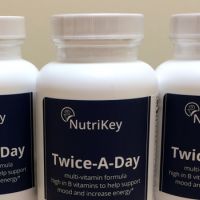
- Many clients have found key supplements, such as Omega-3s (helps support healthy tissues), B12 (involved with nerve function), and magnesium glycinate (crucial for 300+ biochemical reactions in your body), to be very helpful.
Because there are many reasons for incontinence, there need to be many different solutions. If you’re stuck, overwhelmed and seeking more personal support, consider scheduling a phone or in-person nutrition consultation with one of our nutritionists or dietitians. We help clients identify what may be causing their incontinence and offer nutrition and lifestyle recommendations. Another helpful resource is our Menopause Survival Seminar, a full weekend of information that includes information and conversation related to incontinence – in addition to hot flashes, mood swings, weight gain and more.
Share This Article