The Gluten Connection to Compulsive Overeating

Have you ever wondered why that little slice of birthday cake leads to a day, week or month of binge eating?
Well, you are not alone.
We are a country plagued with cravings that fuel compulsive overeating. Some people crave sweets and while some crave breads and pasta, but one thing that most of the foods we crave have in common is that they contain gluten.
In this article, we’ll answer the question “Is gluten addictive?” while providing you information on what gluten is, what foods contain gluten, and what your next steps could be if you feel you have a gluten intolerance or gluten addiction.
What Is Gluten?
Gluten is a protein found in wheat, rye, barley, oats, spelt and Kamut.
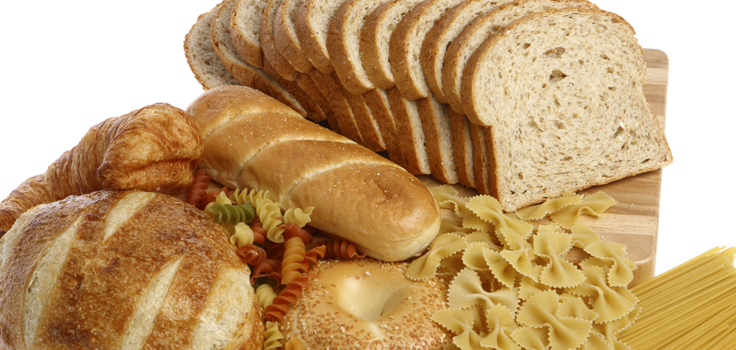
Common gluten-containing foods are breads, cereals, pasta, bagels, muffins and cookies.
Gluten provides elasticity to dough, which helps the dough rise and gives the baked good a fluffy, chewy texture.
Of all the sources of gluten just mentioned, modern-day wheat seems to be the most problematic when it comes to cravings and addictive eating and is the most consumed source of gluten.
According to Dr. Mark Hyman, in one year, over 55 pounds of wheat flour are consumed by each American.
Why Is Gluten Addicting?
There are two main reasons why gluten is so addicting:
-
Gluten makes your blood sugar rise quickly.
-
It can cause mind-altering effects that lead to addictive eating.
Let’s look at these in more detail.
1. Gluten makes your blood sugar rise quickly leading to compulsive overeating
Wheat has become one of the highest glycemic foods you can eat.
It now surpasses table sugar on the glycemic scale.
In other words, two slices of bread raise your blood sugar higher than two tablespoons of table sugar. That is really alarming!
And, as you know, what goes up must come down.
After your blood sugar spikes from gluten-containing foods, like whole wheat bread, your blood sugar drops dramatically, which often leads to cravings and addictive eating.
Because of this roller coaster effect, gluten addiction is influenced by blood sugar dips and spikes.
2. The mind-altering effects that lead to compulsive overeating
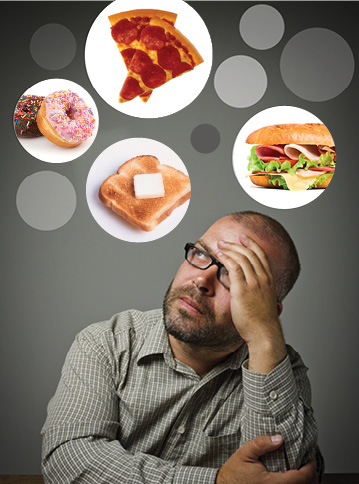 Foods that have a high level of gluten, like wheat, can increase your appetite.
Consuming gluten truly makes you want to eat more processed foods (cookies, cupcakes, pretzels, candy, soft drinks, pizza, muffins and sandwiches).
Studies reported in the American Journal of Clinical Nutrition found that people who consume gluten eat an average of 400 more calories per day.
In addition to the extra calories, for some people gluten can act like a drug, causing peculiar drug-like neurological effects.
In his book, Wheat Belly, Dr. William Davis says that morphine-like compounds created from the digestion of gluten pass through the blood-brain barrier and have the potential to generate euphoria, addictive behavior, and appetite stimulation.
For many people with a gluten addiction, it can dictate food choices, calorie consumption, and how often meals and snack are consumed.
Gluten can influence behavior and mood and even dominate thoughts.
Dr. Davis reports that obsession over gluten-containing foods “can go as far as thinking about them constantly, talking about them with anyone who will listen, and salivating over them even when they are not in sight.” He has even had many clients dream about bread!
What’s Your Next Step?
Do any of these symptoms sound like you? Is gluten addictive to your biochemistry?
Your plan to reduce compulsive eating may be to cut out all gluten foods. Also stay clear of sugar and keep your blood sugar balanced (eating vegetable carbs, animal protein and healthy fats with your meals and snacks).
Most people need regular support and individual guidance in order to keep on track with healthy eating and to understand what approach is the best for their individual needs. Working one-on-one with a highly-skilled nutritionist or dietitian provides the best support to conquer compulsive eating for good.
Online Class: Going Gluten Free the Healthy Way
Learn to make gluten free eating simple and easy with meal planning, shopping tips and recipes in this online class.
Learn More: Going Gluten Free the Healthy Way
For more information on this topic, check out these resources:
References:
Share This Article