Should I Be Taking A Probiotic?

Before we answer that, answer these questions first. Have you ever taken antibiotics? Do you drink tap water? Were you born by C-section? Do you have stress in your life? Do you eat non-organic food? If you answered yes to any of these questions then our answer is also yes, you probably should be taking a probiotic. Even if you answered some no, you should probably still be taking a probiotic, they’re that important.
Our intestinal tract (also called gut or digestive system) has 75 to 100 trillion bacteria living in it. Yes, that was trillion. Some are good bacteria (probiotics) and some are bad bacteria; and more good bacteria, equals better health. Of the trillions of bacteria we’re carrying around, about 70% of that bacteria should (ideally!) be bifidobacteria.
Benefits of a Probiotic
Studies show that when we have lots of beneficial bacteria like bifido inside our digestive tract, we are less likely to catch a cold or the flu. On top of that, probiotics do so much more: helping to prevent constipation, diarrhea, food cravings, heartburn and irritable bowel syndrome. You may also lose weight as gut health is often a hidden factor in weight loss. Plus, there is a powerful connection between your mood and your gut since most of your neurotransmitters (feel good brain chemicals) are made in your gut, for example almost 95% of serotonin, the chemical responsible for even moods, is made in your digestive system.
If any of those symptoms sound familiar or you're trying to ward off illness (and who isn’t?), consider taking bifidobacteria. NutriKey has two great options, Bifido Balance (capsule form) or Bifido Powder. Our nutritionists advise to take one to two capsules (or 1/4 tsp of the powder variety) ten to fifteen minutes before each meal. You may notice a difference within just a few days of starting it, while others notice they feel better within a few weeks. Bonus for you, both forms of Bifido are 15% off all of November, time to stock up in advance of the cold and flu seasons ahead!
What to Eat (And What to Avoid) for Better Gut Health
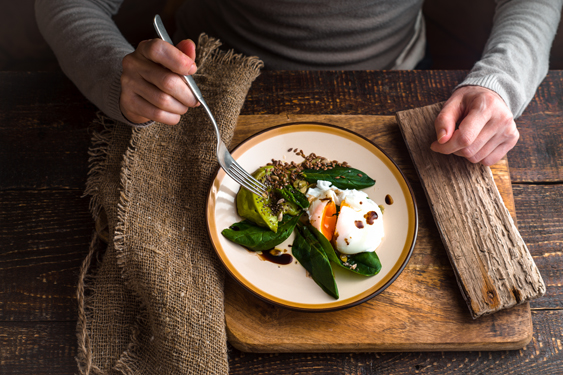
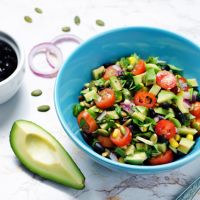
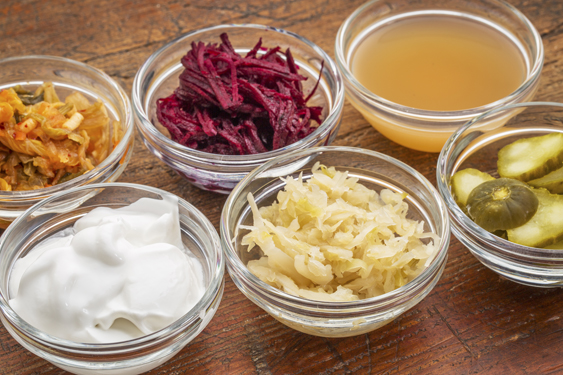 Even the best probiotic can’t compete with a poor diet (which is a common source of bad bacteria), therefore our first recommendation for a balanced gut is always to eat real foods and eliminate processed foods. It’s as simple as that. We recommend a variety of animal proteins, carbohydrates in the form vegetables and fruit, along with good healthy fats like avocados, coconut oil, olives or nuts to repopulate diverse bacteria. On top of that balanced diet, consider adding foods that naturally contain good bacteria, such as yogurt, sauerkraut, kefir, kimchi and miso.
As much as you can, avoid drinking chlorinated water, eating fruits and vegetables with pesticides and herbicides on them, or meat and dairy products from animals given antibiotics and growth hormones. As mentioned, people can also become deficient in good bacteria from taking antibiotics and steroid medications.
To learn more about probiotics, listen to this recent Dishing Up Nutrition: When to Use Probiotics and Prebiotics.
Share This Article