Boost Your Low Winter Mood with Food

 Low moods are often associated with the winter months and it goes without saying that this winter, during a pandemic, we’re all especially susceptible to the gloom. Many clients report (and I’ve been there, too) a general sadness that permeates life. Seasonal Affective Disorder (S.A.D.) is a common diagnosis and telltale signs of S.A.D. are often depression, anxiety, irritability, and increased stress during the winter months. Can you relate? If so, we’re here to LIFT YOUR SPIRITS! At Nutritional Weight & Wellness we know that food can help with these seasonal symptoms.
There are three main reasons you may feel sadder in winter (and other times of the year for that matter!).
- Lack of Vitamin D – First, let’s think of why our moods are low in the first place. Most people understand that sunlight can have a huge impact on moods because it helps activate vitamin D in our bodies. In the winter months, our vitamin D levels can drop dramatically and our moods go right down with it. Vitamin D also helps our immune function so when your level is low, you have a greater risk of becoming sick. No thank you to that double whammy, especially during a pandemic! Several research studies have shown this correlation between vitamin D and low moods. In a study of 1,200+ people aged 65 or older, individuals with depression showed a 14% lower vitamin D level than individuals without depression. Another study of healthy women found low vitamin D levels contributed to depressive symptoms.
- Skipping Meals – Low blood sugars also trigger low moods. When we’re too busy to eat and we end up skipping meals and snacks, this leads to low blood sugars. Low blood sugar, in addition to eating more sugar (see the following bullet), is a recipe for low moods.
- Too Many Processed Carbs and Sugar – Many people (consciously and unconsciously) eat to improve moods by consuming processed carbohydrates and sugar. Winter holidays (and the unhealthy food that accompanies them) and stir-crazy quarantine baking also don’t make this any easier. Plus, so-called “comfort” foods like donuts, cookies, heavy casseroles, and pizza can cause more depression or anxiety (find healthier comfort foods here). Sure, you’ll have a sudden burst of happiness from the happy brain chemicals dopamine and serotonin, but these brain chemicals spike and plummet rapidly with sugar intake. Your body will then crave more sugar and the cycle continues.
Our Top Two Tips to Feel Happier in Winter
Onto the good news! We can do something about it! Here are our top two tips we share with clients for boosting your mood. Within a week or two I’ve had numerous clients see HUGE improvements in their mood, and you can too!
Supplement with Vitamin D – As mentioned above, vitamin D can be an important part of improving your moods in the winter months. Since it is very difficult to get adequate amounts of vitamin D in food alone, it can be helpful to supplement with a quality vitamin D3 supplement. Vitamin D3 is the active form of vitamin D so your body can use this form most easily.
If you are experiencing low moods, it’s a good idea to have your doctor check your vitamin D level; optimal levels should be between 50-80 ng/mL. For those with low vitamin D levels, anyone experiencing winter blues, and anyone who lives in the northern latitudes, most nutritional experts recommend 2,000-4,000 IUs daily for clients in the winter months. NutriKey brand vitamin D3 1000 comes in an easy to swallow small softgel capsule. We recommend taking it with food since vitamin D is a fat soluble vitamin and needs food to enhance absorption. Best taken at breakfast because that lines up with our circadian rhythm and it can be energizing. If you think about it, if we were getting Vitamin D3 from sunshine on our skin, it would be during the day, not at night or before bed! For some people, taking Vitamin D3 too late in the day can interrupt their sleep.
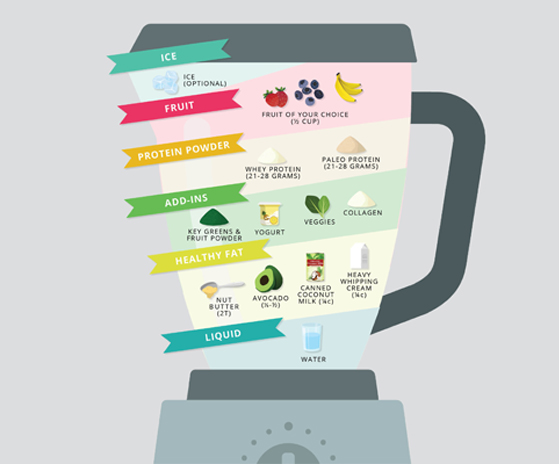
Eating Protein, Fat and Carb at Every Meal (and Snack!) Every Three Hours – The number one thing I do to keep my anxiety and low moods at bay is to eat in balance. In balance means you have three main groups – protein, healthy carbs, and fat – included at EVERY meal and snack. Proteins help create our happy brain chemicals, and healthy fat supports hormone balance (which in turn supports more level moods). Protein and fat paired with a healthy carbohydrate creates the perfect recipe for great moods. Carbohydrates in the proper amount give us energy and keep our blood sugars from dropping low and causing depression, irritability, anxiety, and even panic attacks. (I love this client’s story of eliminating her daily panic attacks with the help of real food!)
I know if I skip meals my anxiety starts to build and it can get worse if I don’t balance my blood sugars quickly. When I feel anxious the first things I ask myself are, “WHEN did I eat last?” and “WHAT did I eat last?” A meal or snack with protein, fat, and a healthy carbohydrate such as a vegetable or fruit will calm my nerves quickly. Eating every three hours may seem like a lot, but this creates balanced moods by keeping our delicate blood sugar levels in the normal range which can easily get out of balance by waiting too long to eat or skipping a crucial part of the meal like the protein, fat, or carbohydrate.
A Full Day of Good-Mood Foods
To take the guesswork out of it, here’s a day of Good-Mood Foods full of delicious and balanced meals and snacks. Try it out and see how you feel at the end of the day – and the next morning! That’s an insightful time to observe your mood, often influenced by what you ate and drank the day prior.
- Breakfast / Egg Bake – Start the day feeling great; protein provides the building blocks of feel-good brain chemicals.
- Lunch / Chili with Dollop of Full-Fat Sour Cream – Chili made with grass-fed beef contains all the nutrition needed to balance blood sugars and calm the body. Don’t forget 2 tablespoons of sour cream (a perfect healthy fat) to balance the meal.
- Snack / “This Little Piggy" Meatballs (two to three) with ½ cup Blueberries and 1 oz. Almonds – This healthy snack balances your blood sugar to keep you calm. The blueberries contain healing antioxidants and the almonds add fiber and healthy fats to keep your brain and intestinal tract happy. (This is a bonus because a healthy intestinal tract also helps create more of those happy brain chemicals called neurotransmitters and is critical for good immune function.).
- Dinner / Sheet Pan Asian Salmon with Brussels Sprouts and Red Peppers – Salmon is a great source of brain-building omega-3’s, and the Brussels sprouts and red peppers contain fiber that supports intestinal tract healing.
Feeling Down? Let Us Help
I’d encourage you to take these tips and start making changes in your life; however, know that you don’t have to climb out of this alone. Any of our nutritionists and dietitians would be happy to meet with you by phone or by Zoom. Here’s a great example of how we helped one client heal from depression, and lose 25 pounds along the way!
Resources:
https://my.clevelandclinic.org/health/articles/15050-vitamin-d--vitamin-d-deficiency
https://www.ncbi.nlm.nih.gov/pmc/articles/PMC2908269/
Hoogendijk WJG, Lips P, Dik MG, Deeg DJH, Beekman ATF, Penninx BWJH. Depression is associated with decreased 25-hydroxyvitamin D and increased parathyroid hormone levels in older adults. Archives of General Psychiatry. 2008;65(5):508–512.
https://www.ncbi.nlm.nih.gov/pubmed/18458202
https://www.ncbi.nlm.nih.gov/pmc/articles/PMC4420707/
Share This Article