What to Feed Your Baby

An Age-By-Age Guide for the First 12 Months
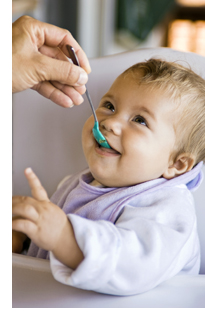
A question every parent asks at some point is, “What should I feed my baby?” To find the answer, you may talk with those around you, hit the library, and do a lengthy Google search, only to find that there is a lot of conflicting information out there.
As parents, we want to do all we can to bring our children up to be healthy and happy. So let’s take a closer look at what you can do in the first 12 months to support your baby’s health while providing him or her with tasty, easy-to-prepare food to nourish their quickly-growing bodies.
Age 0-6 months
Breast milk is the best food for your baby. It promotes the development of the intestinal tract, preparing it for solid food. It provides the perfect combination of protein, fat and carbohydrates for your baby and includes beneficial bacteria and critical immune-boosting properties that can’t be reproduced with outside sources.
Continuing with breast milk for at least a year may reduce the risk of adverse gastrointestinal symptoms when introducing solid foods to your baby.¹ It may also shorten the duration of colds and provide immune protection when your baby ventures out of the house and begins to make friends.
Of course breast milk is not always an option. If you and your baby aren’t able to breastfeed, I encourage you to make an appointment with one of our nutritionists. We can give you a plan to be sure your baby is getting the right nutrition early on.
Supplements for ages 0-6 months
There are a few supplements you may want to consider giving your baby, and taking yourself, for your baby’s optimal health.
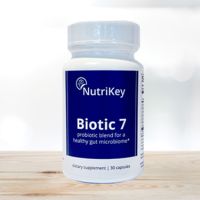
- Bifidobacteria: Whether your baby is breastfed or formula-fed, providing him or her with a probiotic called bifidobacteria is a fantastic way to support your baby’s digestion. It can also help reduce skin rashes and allergic reactions to food.² Supporting your baby’s intestinal tract with this good bacteria will also help develop his or her immune system.³ Supplementing with bifidobacteria is also recommended for moms while breastfeeding.
- For the baby, place the bifido powder on your fingertip and let your baby suck on your finger. If you are nursing, you can place the powder on your nipple right before a feeding. Give your baby bifidobacteria twice a day if you can.
- For mom, start with ¼ teaspoon of bifido powder—or one capsule—15-20 minutes before meals, three times per day (work your way up to ½ teaspoon of powder or two capsules). Since the bacteria in the breastfeeding mom’s intestinal tract influences the baby’s exposure to beneficial bacteria, it’s important to make sure mom’s intestinal tract is as healthy as possible.
- Vitamin D is beneficial early on as well. Use a liquid or oil-based vitamin D3 in a dropper and give your baby 400IU up to 800IU (in winter months) per day.
- DHA is an essential fatty acid key for brain development and eye health. Higher DHA levels are correlated with increases in cognitive and motor skills.4 Breastfeeding moms should considering supplementing with 400mg of DHA to provide adequate amounts in their breast milk. For the baby, an additional 100mg is recommended and can be given in a liquid form.
- Cod liver oil provides vitamin A to support immune function and eye health. Give your baby ¼ teaspoon of cod liver oil beginning around four months of age (using a dropper).
 Age 6-7 months
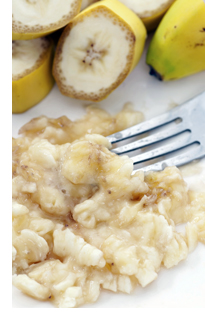
As your baby grows, his or her digestive system grows too. But don’t feel pressure to rush your baby into eating solid foods. Use breast milk as a main source of food as this allows you to slowly introduce foods such as banana, avocado, and even pureed grass-fed beef, free-range chicken, turkey or fish. You may try a few other soft fruits or vegetables such as butternut squash, steamed cauliflower (pureed), or pear (sautéed or steamed, then pureed). Add coconut oil or olive oil and salt to the vegetables. Egg yolk, rich in choline and DHA, is a wonderful food to incorporate. (The egg white is a possible allergen at this age and should be avoided until baby is one year old.)
Supplements for ages 6-7 months
Continue supplementing with bifidobacteria, vitamin D, DHA and cod liver oil in same amounts recommended for ages 0-6 months.
 Age 8-12 months
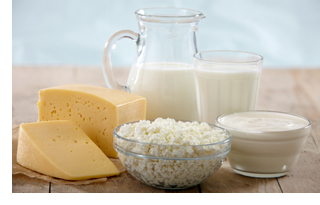
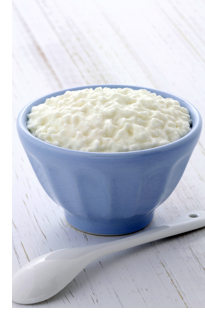
At 8-12 months old, teeth are appearing and your baby probably likes that he or she can pick up food without your help! You won’t need to worry about pureeing everything at this point, but cooking firmer fruits and vegetables makes them easy for your little one to digest. You can introduce small amounts of dairy such as cottage cheese or plain yogurt and continue to try other fruits and vegetables.
Supplements for ages 8-12 months
- Bifidobacteria: Increase the dose to 1/8 teaspoon on a spoon or mixed in water, twice a day.
- Cod liver oil: Increase the dose to ½ teaspoon in a dropper or spoon
Continue with the same amounts of Vitamin D and DHA recommended for ages 0-6 months.
Age 12 months
Rice, oats, quinoa and other grains can be introduced at one year. Homemade nut butters, citrus fruit, tomatoes, and cooked leafy greens are fine as well. Whole eggs can be introduced after one year; however, if your baby has reacted to other foods you have introduced, you may consider waiting until 18 months to include the egg white. Be sure to introduce these items one at a time so you can catch any signs of a food sensitivity (rash, digestive discomfort or sleep troubles).
Practical, time-saving ideas for making your own baby food
No-fuss squash:
For an easy way to cook a winter squash, simply poke a few holes in the skin and place it in a slow cooker. Cook on low for about four hours—it’s as simple as that! When you are ready to serve to your baby, add some butter or coconut oil and salt.
Perfectly balanced and blended dinner:
Your baby will love joining you at the table for a family dinner. When making your family dinner consisting of some type of meat, veggies and fat, simply throw a mix of these foods in the blender with a little water and/or breast milk. Now you have baby’s dinner for the night. If you have enough left, give it to your baby for lunch the next day or put some in a jar and freeze for another day.
Here are some combinations to try:
- Chicken, sweet potatoes, broccoli, and coconut oil or butter
- Ground grass-fed beef, cauliflower, butternut squash and coconut oil or butter
- Salmon, Brussels sprouts, carrots, and coconut oil or butter
Quick and easy snack: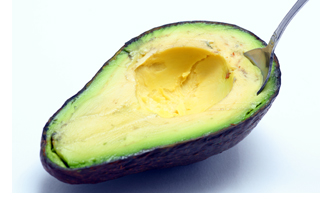 In a pinch with nothing prepared? Try giving your baby some canned pumpkin topped with coconut milk (also from the can). This makes a tasty and smooth snack.
On-the-go snack:
Don’t leave the house without an avocado and a spoon. You will always have an easy snack to keep your baby going when the errands get long or you are out at the park.
Remember, breast milk is a fantastic food for your baby, and there is no need to switch to only solid foods the day your baby turns 6-months-old. Take your time introducing new foods and enjoy the process with your baby. Also, be aware of signs of an adverse reaction to a new food, such as a rash that appears a day or two later. The best foods for your baby are the foods found in nature. Let’s face it, the less food from a box or a jar we eat, as babies or adults, the better. And shouldn’t the goal be to give your baby foods that are as natural as they are?
References:
- Guandalini S. The influence of gluten: weaning recommendations for healthy children and children at risk for celiac disease. Nutrition Workshop Pediatric Program, 2007;60; 139-51; discussion 151-5.
- Kim J.Y. Kwon J.H. Effect of probiotic mix in the primary prevention of eczema: a double-blind, randomized, placebo-controlled trial. Pediactric Allergy Immunology. 2010 March 21 (2 Pt 2).
- Ouwehand A., Isolauri E., The role of the intestinal microflora for the development of the immune system in early childhood. Eur J Nutr 41 (2002)
- Birch EE, Garfield S. A randomized controlled trial of early dietary supply of long-chain polyunsaturated fatty acids and mental development in term infants. Dev Med Child Neurol. 2000 Mar;42(3):174-81.
Share This Article