When sinus problems show up, they can make everyday life feel miserable. Sinus congestion, nasal congestion, a stuffy nose, sinus pressure, facial pressure, post nasal drip, and a runny nose can leave you feeling tired, foggy, and uncomfortable. Whether you are dealing with occasional sinus infections, more frequent sinus symptoms, or ongoing issues related to chronic sinusitis, what you eat can play an important role in how supported your body feels.
The good news is that food does not need to be complicated. What you eat and avoid can either help calm sinus inflammation or make those sinus symptoms harder to manage. A real-food approach may help reduce inflammation, support the immune system, and promote better sinus health.

Why food matters for sinus problems and allergy sufferers
When your body is dealing with sinus problems, the goal is to choose foods that support healing instead of adding more stress. Some foods help support immune function, encourage healthy mucus production, and make it easier to deal with thick mucus, excess mucus, and persistent congestion.
At the same time, certain foods may make sinus inflammation worse or leave you feeling even more stuffed up. That is why diet plays such an important role when you are trying to support sinus health, especially during cold weather, allergy season, or times when allergy symptoms tend to flare.
Best foods to eat for sinus infection
If you are wondering about the best foods to eat for sinus infection support or broader sinus problems, the same simple principles apply: focus on real food, plenty of fluids, and meals that help support the immune system.
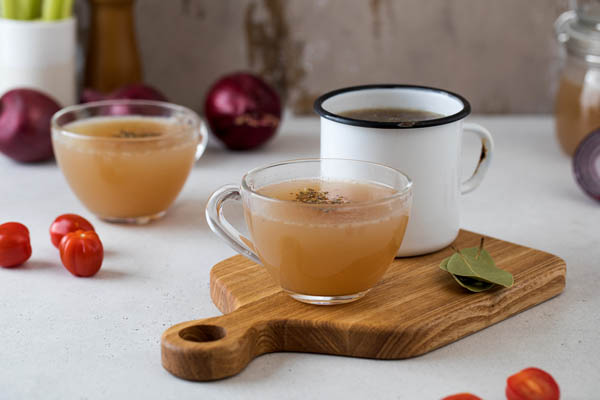
Bone broth and broth-based soups
Warm broth is one of the best places to start when sinus symptoms flare. Broth-based soups are soothing, easy to eat, and help with hydration, which matters when thick mucus, sinus congestion, and irritated nasal passages are part of the picture.
Why it helps:
-
Helps support hydration
-
May help with thinning mucus
-
Can help your body clear sinuses
-
Feels soothing when you have a sore throat, sinus pain, or facial pressure
Simple ideas include:
-
Chicken soup made with bone broth
-
Beef and vegetable soup
-
Broth with cooked vegetables and shredded chicken
Warm liquids can be especially helpful when the nasal passages feel dry, irritated, or blocked by excess mucus.
Protein-rich foods
Protein is one of the most important nutrients for the immune system. It helps your body stay nourished and supported when you are dealing with sinus infections, sinus inflammation, or lingering sinus symptoms.
Best options include:
-
Eggs
-
Chicken
-
Beef
-
Turkey
-
Pork
-
Salmon and other fatty fish
Why it helps:
-
Supports the immune system
-
Helps strengthen immune function
-
Helps build balanced meals instead of relying on snack foods
A lot of people fall into eating toast, crackers, or convenience food when they are under the weather. But meals built around protein are much more supportive for sinus health and overall respiratory health.
Vitamin C-rich foods
Vitamin C is one of the most helpful nutrients to include when sinus problems flare up. It supports the immune system and fits naturally into a food-first approach.
Foods rich in vitamin c include:
-
Berries
-
Tomatoes
-
Leafy greens
-
Kale
-
Spinach
Why it helps:
-
Helps support the body during times of stress
-
Supports immune function
-
Makes meals more nutrient-dense without making them complicated
Easy ways to get more vitamin c:
-
Add berries to a smoothie
-
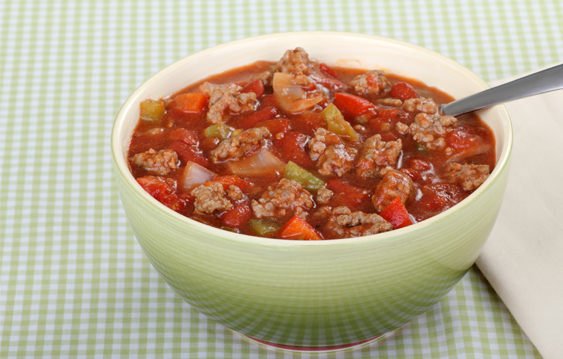
Use tomatoes in soups or chili
-
Add leafy greens to lunch or dinner
-
Blend fruit with a quality protein powder
Zinc-rich foods
Zinc-rich foods are another smart choice for sinus problems because zinc supports the development of immune cells and helps strengthen the body’s defenses.
Best zinc-rich foods:
-
Beef
-
Dark-meat poultry
-
Pork
-
Oysters
-
Pumpkin seeds
Why it helps:
-
Supports the immune system
-
Helps strengthen immune function
-
Pairs naturally with protein-rich meals
Easy ways to include them:
-
Add pumpkin seeds to a salad
-
Make a beef soup
-
Choose dark-meat chicken for dinner
-
Build meals around protein first
Fatty fish and omega-3-rich foods
Fatty fish can be a great addition when you are trying to reduce inflammation and better support sinus health. Fish like salmon bring in omega 3 fatty acids, which are known for their anti inflammatory support.
Why it helps:
-
Omega 3 fatty acids help support a balanced inflammatory response
-
These foods may help reduce inflammation
-
They support both sinus health and respiratory health
Good options include:
-
Salmon
-
Mackerel
-
Anchovies
-
Sardines
-
Other fatty fish
Anti inflammatory foods
Since sinus inflammation is often part of what makes sinus problems feel so uncomfortable, it makes sense to prioritize anti inflammatory foods. These foods bring in nutrients and healthy fats that support the body without relying on ultra-processed ingredients.
Helpful anti inflammatory foods include:
-
Leafy greens
-
Berries
-
Tomatoes
-
Olive oil
-
Avocado
-
Fatty fish
-
Pumpkin seeds
-
Bone broth
-
Fresh vegetables
Many of these foods also contain natural compounds that help support the body during times of stress.
Fresh ginger, ginger tea, and spicy foods
Some people find that fresh ginger, ginger tea, and even spicy foods can be helpful when they feel stuffed up. These foods and drinks can feel warming and soothing, and in some cases may offer temporary relief when sinus congestion or a stuffy nose is especially bothersome.
Why they may help:
-
Warm liquids can feel soothing to the throat
-
Ginger tea may be comforting when there is throat irritation
-
Spicy foods may help some people feel like they can clear sinuses more easily for a short time
These strategies may provide temporary relief, but they work best alongside the basics of hydration, protein, and real meals.

What to drink for sinus problems
Fluids matter more than most people realize. Staying hydrated can support healthy mucus production and help keep mucus from getting too thick. When mucus becomes too thick, it is harder for the body to move it through the nasal passages, nasal cavity, and sinus cavities.
Best choices include:
-
Water
-
Herbal tea
-
Bone broth
-
Ginger tea
These drinks can be especially helpful when sinus symptoms include a sore throat, runny nose, post nasal drip, or thick mucus.

Foods to avoid for sinus problems
Some foods can work against you by adding to inflammation, worsening sinus congestion, or making it harder for the immune system to do its job.
Sugar and refined sugars
Sugar is one of the biggest foods to cut back on when sinus problems flare. That is because refined sugars can work against the immune support your body needs and may add to inflammation instead of helping reduce inflammation.
Try to limit:
-
Soda
-
Candy
-
Pastries
-
Sweetened coffee drinks
-
Juice
-
Sugary snacks
When you cut back on sugar, you make more room for foods that better support sinus health, immune function, and overall respiratory health.
Ultra-processed foods
Ultra-processed foods are often low in the nutrients your body needs most. They can also crowd out the real meals that are better suited to support the immune system when you are dealing with sinus symptoms.
Foods to limit include:
-
Packaged snack foods
-
Fast food
-
Highly processed frozen meals
-
Sugary cereals
-
Sweetened protein bars
Dairy, if it worsens nasal congestion
For many people, dairy may make nasal congestion, sinus congestion, post nasal drip, or a runny nose feel worse. If you eat dairy regularly and suffer from sinus issues, it may be worth eliminating for a few weeks and seeing how you feel. This is especially worth paying attention to if you deal with persistent congestion or feel like your inflamed sinuses never fully settle down.
Gluten-containing foods, if they are a trigger for you
Some people also notice that gluten-containing foods seem to line up with more sinus inflammation or ongoing sinus problems. Gluten creates inflammation throughout the body for many people, whether they realize it or not. If you're suffering from ongoing sinus inflammation, it may be worth a trial elimination of gluten containing foods to see if there is a correlation.
Sinus problems, allergy symptoms, and triggers
For many people, sinus problems are not just about infection. They may also overlap with allergy symptoms, seasonal allergies, or reactions to things like pet dander. That can mean more nasal congestion, post nasal drip, a runny nose, and ongoing irritation in the nasal passages.
Food does not remove those triggers, but it can still help support the body. This is one reason a real-food approach can be helpful for allergy sufferers, especially when the goal is to support the immune system and reduce inflammation instead of adding more stress through highly processed foods.
When sinus problems keep coming back
If you deal with recurrent sinus infections, more ongoing chronic sinusitis, or you feel like sinus infections keep returning, food may be one helpful piece of the bigger picture. Supportive meals may not directly treat sinusitis, but they can help support the body while you work to understand the underlying cause.
Ongoing issues can sometimes be connected to things beyond food. If symptoms persist, or if you are dealing with severe symptoms, difficulty breathing, repeated sinus infections, or significant sinus pain, it is important to check in with a qualified healthcare provider.
A simple day of eating for sinus problems
Here is what a day of eating could look like:
Breakfast
-
Scrambled eggs with spinach and a few slices of avocado
-
Herbal tea
This gives you protein, healthy fat, and an antioxidant-rich vegetable carb to start the day that supports the immune system without a sugar overload.
Lunch
-
Salad with pumpkin seeds
This meal provides hydration, protein, minerals, and zinc-rich foods that help support sinus health.
Snack
-
Smoothie with berries, protein, and full-fat coconut milk like our Chocolate Covered Berry Smoothie.
This is an easy way to bring in vitamin c, healthy fats, and a more supportive option than sugary snacks.
Dinner
-
Salmon Bake Recipe. Salmon, asparagus, and fresh herbs make up this easy recipe.
This meal brings in fatty fish, omega 3 fatty acids, and more anti inflammatory support to help reduce inflammation.
Bottom line
The best foods for sinus problems are simple, warm, and nourishing. Focus on meals that support the immune system, help reduce inflammation, and make it easier for your body to manage sinus symptoms.
Build your meals around:
-
Protein
-
Bone broth and soups
-
Leafy greens
-
Berries and tomatoes
-
Fatty fish
-
Pumpkin seeds
-
Plenty of water and herbal tea
And cut back on foods that may make symptoms worse, especially:
-
Sugar and refined sugars
-
Sugary drinks
-
Ultra-processed foods
-
Dairy, if it worsens congestion
-
Gluten-containing foods, if they seem to be a trigger
When it comes to sinus problems, food does not have to be complicated. A steady real-food approach can go a long way in helping you feel more supported and may even help prevent sinus infections over time by supporting better immune function, sinus health, and respiratory health.
Additional Support
If you feel like you need additional support, or you find yourself dealing with sinus issues over and over again, it may be helpful to make an appointment with a nutritionist. Recurrent sinus problems can sometimes be a sign that your body needs more targeted support, especially when food triggers, inflammation, or immune stress are part of the picture.
Working with a nutritionist can help you look at your symptoms more closely, identify patterns, and create a food plan that supports your sinus health in a practical, personalized way.
Additional Resources for Sinus Health:
Read: A Sinus Sufferer's Guide to Supplements
Listen: Nutrition to Relieve Sinus Pain
Share This Article