A Sinus Sufferer’s Guide to Supplements


Do seasonal allergies bring you a stuffy or runny nose, itchy and watery eyes, a pounding headache, sinus pressure, and an inability to go outside without sneezing?
Avoiding your allergens is the best way to avoid allergy symptoms, but that's not always possible and when pollen counts are high, what do you do to not feel uncomfortable and to relieve nasal congestion?
Your doctor may prescribe a second-generation antihistamine (such as, Claritin, Zyrtec or Allegra), a decongestant and/or a nasal antihistamine spray.
As with any medication, these may come with some potential side effects such as drowsiness, dry mouth, constipation, or trouble urinating (especially in men with prostate issues).
If you are looking for additional options for relief, you may consider a natural treatment with dietary supplements to help manage your allergy symptoms to prevent a sinus infection.
Histamine And Nasal Congestion
Before we suggest sinusitis supplements, let's look at what's actually happening in the body to understand how these dietary supplements can help your nasal cavities.
For seasonal allergy sufferers, pollen in the environment meets up with mucus membranes in the nose, mouth, throat, lungs, stomach, and intestines. The immune system triggers the release of a chemical called histamine.
In extreme situations, most often seen with food allergies, the allergic reaction can be life-threatening. It may result in extreme swelling in the respiratory tract making it difficult to breath and/or a person may have a serious drop in blood pressure.
The flood of histamine can impact the gut, leading to sudden stomach pain, bloating, vomiting, and/or diarrhea. It could even stimulate the release of stomach acid and may result in symptoms of heartburn or indigestion.
Additionally, histamine can cause the unpleasant, less extreme symptoms we associate with seasonal allergies, also known as hay fever, like a runny nose and itchy eyes.
You might also be surprised to learn that histamine is found naturally in some of the foods we eat, which means there's also a nutrition connection as well.
How Antihistamines Work
Antihistamines work by blocking histamine activity and stopping allergic reactions. Certain foods and plant extract may act like antihistamines and stop the effects of histamine, which can be used to support yourself during allergy season.
High Histamine Symptoms
Here's a list of common symptoms if you are experiencing high histamine:
-
Itchy or runny nose
-
Sneezing or post nasal drip
-
Itchy, red, or watery eyes
-
Itchy ears
-
Itchy or inflamed skin (like hives or rashes)
-
Heartburn or indigestion (like stomach pain, bloating, vomiting, diarrhea)
-
Difficulty breathing, wheezing, aggravated asthma
-
Drop in blood pressure
Allergies, Common Cold, Or Sinus Infection
While most of our article is geared toward seasonal allergies and the effects they can have on the sinus cavities, we'd be remiss not to mention a few of the other reasons for sinus congestion and nasal inflammation.
Allergic Rhinitis
Hay fever and allergic rhinitis are additional terms for seasonal allergies and are triggered by tiny particles in the air indoors and outdoors from pollen, dust, pet dancer, mold, and insects.
Depending on your location, pollen season can be worse in the spring, summer, and early fall, while other causes of allergies can be year round (hello dust mites!).
Food allergies and sensitivities, particularly to dairy, can cause sinus inflammation. Like mentioned above, severe food allergies can be life-threatening, especially if they cause your airways to close, so seeking medical attention and help in managing these allergies is essential.
Allergic rhinitis symptoms are all the things in the high histamine symptoms list and we have several natural solutions to help you support your nasal passages.
Acute and Chronic Sinusitis
Sinusitis is when you have a sinus infection. The tissues of your sinus cavities get inflamed, which makes it challenging for the sinuses to drain properly and creates a build up of mucus.
Because the sinuses include the internal passageways in your forehead, cheeks, and nose, symptoms of sinusitis may include many of the high histamine symptoms like stuffy or runny nose, but also might include facial pain, earaches, and fever.
Sinus infections are usually caused by the common cold, which is a virus. Bacteria (bacterial sinusitis), fungi (fungal infection), other viruses (viral infection), and allergies can also cause sinusitis.
Acute sinusitis is when sinus infection symptoms last for less than four weeks. Typically this is caused by the common cold, but could be caused by anything that blocks the sinus cavity causing the mucus production to build up.
Chronic sinusitis is when sinusitis symptoms last for over twelve weeks. Typically the cause for this is a bacterial infection.
How Do You Know Which Sinus Issue You Have?
Common cold symptoms will start, peak, and slowly dissipate on their own.
Allergies may change with the season or may stay constant if you are exposed to the particles you're allergic to. Typical symptoms, like in a previous section, are sneezing, itchy eyes, itchy nose, sinus congestion, and postnasal drip.
Acute sinusitis includes those allergy symptoms along with facial pain, sinus pressure, and fever, which lasts for up to four weeks. You may have chronic sinusitis if your sinus infections last longer than twelve weeks.
You don't have to treat sinusitis as it can go away on its own, but for help to reduce inflammation and fight infection, your medical provider may prescribe antibiotics.
For natural treatment of symptoms of sinusitis, especially when it comes to seasonal allergies, we have some supplement options as well as some anti inflammatory, real food nutrition tips (which also have additional health benefits!).
A Natural Antihistamine Option
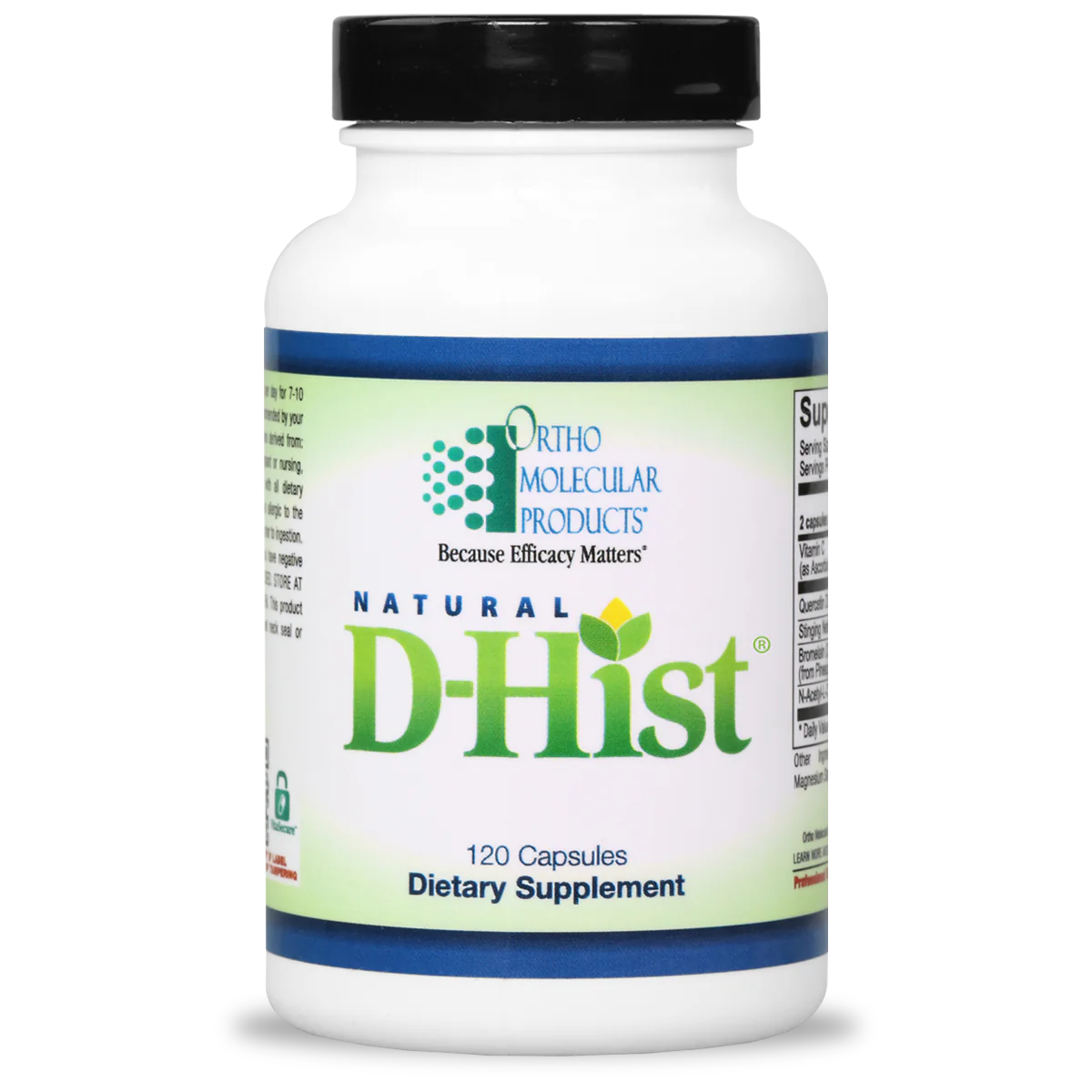
Natural D-Hist, by Ortho Molecular, is probably our most popular allergy-fighting supplement due to its antioxidant properties.
The combination of quercetin, vitamin C, bromelain, and stinging nettle is very good at calming the body's immune system and preventing an overreaction to pollen.
Quercetin, in case it's new for you, is an antioxidant; it is naturally found in some fruits and vegetables such as citrus fruits, onions, and apples.
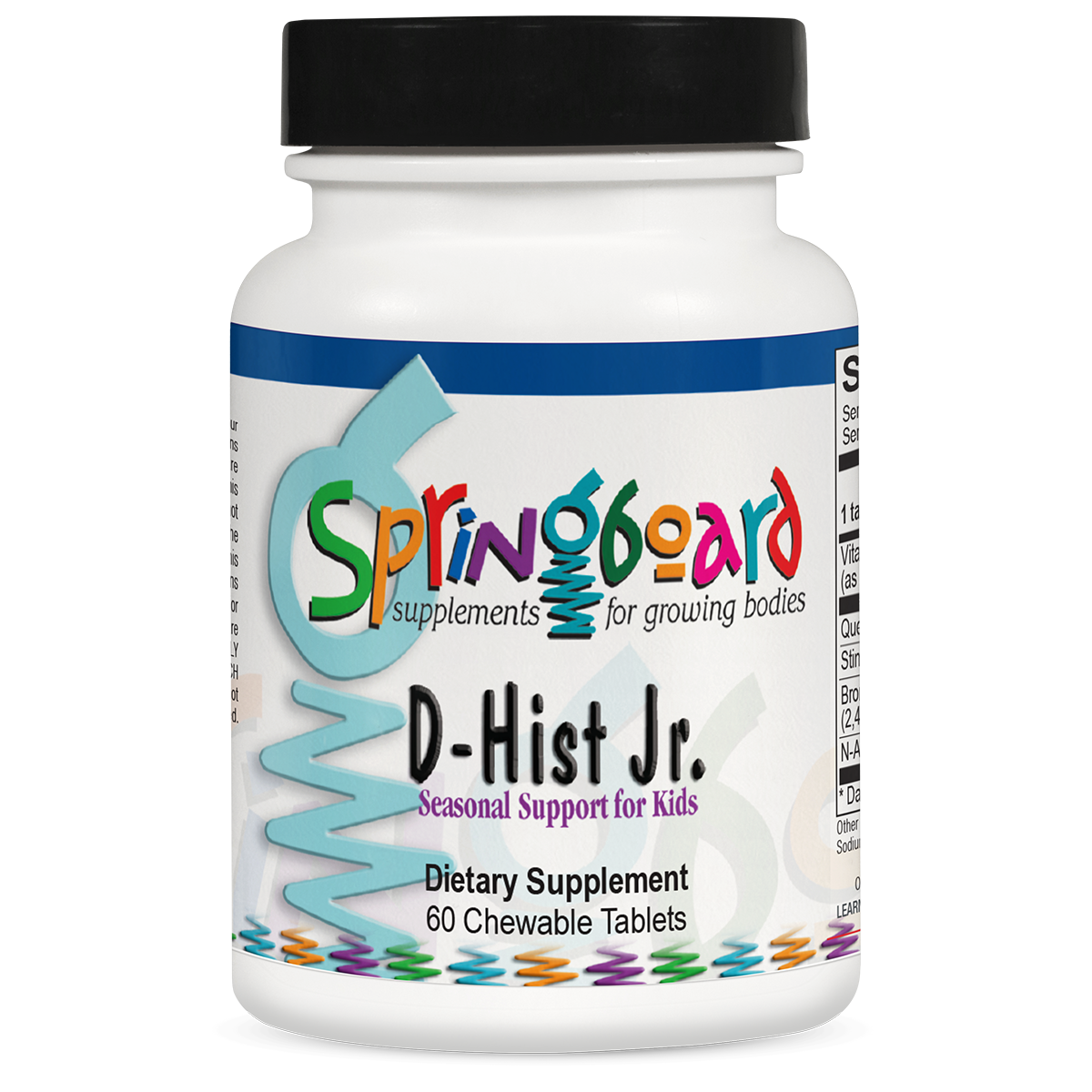
For kids who suffer from allergies, Ortho Molecular also makes D-Hist Jr. which has the same ingredients as Natural D-Hist, just at smaller dose that is more appropriate for smaller bodies in an easy-to-chew tablet. Adults can also take this chewable form too!
How To Take Natural D-Hist:
Many clients take 2 capsules of Natural D-Hist 2-3 times per day for 10 days as a loading dose during peak allergy time and continue taking 1-3 capsules daily as a maintenance dose.
With D-Hist Jr., the dose is 1-3 tablets per day.
“D-Hist keeps my sinuses clear and healthy. It is my #1 supplement I can't be without! I use to suffer from sinus infections twice a year and thanks to D-Hist, my sinuses stay healthy. I have taken D-Hist for over 8 years and will continue for years to come!” – Jayne K on Natural D-Hist
“Awesome product! This works wonders for Histamine Intolerance, and combined with zinc is great in Covid prevention and treatment! It's also great to combat seasonal allergies…our whole family loves it!” – Allison on D-Hist JR
Natural D-Hist Considerations:
There are some possible safety concerns with high doses of quercetin related to the risk of kidney damage. People who have decreased kidney function and those who are pregnant or nursing should not take quercetin supplements.
As with any supplements, we recommend talking with your doctor and dietitian or nutritionist before adding it into your routine.
Sinus Pain and Inflammation Support
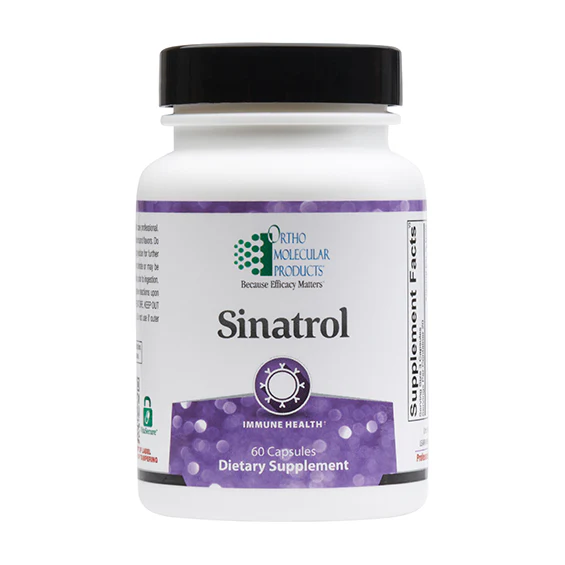
Sinatrol contains n-acetyl cysteine, thyme, and bromelain, which help the body clear airway passages by thinning mucus secretions. Think of them as natural forms of Mucinex®.
The turmeric and licorice root extract in Sinatrol help reduce sinus inflammation and strengthen the immune system so that it is not overwhelmed by excess pollen or mold.
How To Take Sinatrol:
We recommend clients take the recommended dosage of 3 capsules per day.
“Life Changing! I've had bad allergies and post nasal drip for almost 10 years now and I thought I'd always have to deal with these annoying issues. Allergy meds always make my heart flutter and I always feel strange when taking them but this product has no side effects for me!” -Danielle
Sinatrol Considerations:
If you are currently being treated with any blood thinners medication you should not take Sinatrol without first talking with your doctor since it contains turmeric.
We recommend anyone considering adding a supplement to their routine speak with their doctor and dietitian or nutritionist first to make sure it's right for you.
Sinus Infection Relief Meal Plan
Many Nutritional Weight & Wellness clients find that supplements taken during their peak allergy season (and ideally starting before peak!) are a good start to reducing their symptoms.
Using a saline nasal spray or mist, showering nightly to wash pollens out of your hair and changing your bedsheets on the regular are additional good practices that generally work for most people.
The food you choose to eat plays a HUGE role in supporting your immune system and reducing chronic inflammation as well, so: eat real food!
Whether you have acute sinusitis, chronic sinusitis or seasonal allergies, try a few of these nutrition-focused changes to find relief:
Sinus Tip 1) Fresh is ideal.
Enjoy fresh, minimally processed foods. Many of these whole, natural foods will have anti inflammatory properties which has health benefits for not only nasal passages and mucus membranes, but for the whole body.
Histamine will develop in protein foods as they age. In general, histamine content of food goes up as food ages/spoils.
If you already have more histamine in your system due to seasonal allergies, a leftover meal high in histamine may result in worsening symptoms. Now, don't go throwing your leftovers away! Those make great lunches!
Instead, try to eat your food fresh and then freeze leftover proteins right away to help slow histamine production.
Sinus Tip 2) Minimize or avoid ultra processed foods that are rich in preservatives, additives, and alcohol.
Yes – alcohol! Alcohol hinders the enzyme (DAO) that is needed to degrade histamine in the body. Red wine and beer are also high in histamine, so consuming those can feel like adding fuel to the fire.
Sinus Tip 3) Limit added sugar and processed carbs.
This includes foods like sweets, breads, crackers, chips, bagels, etc. All of these can increase inflammation in the body and can exacerbate the symptoms of sinus infections.
Sinus Tip 4) Remove dairy for 1-2 weeks to see if that makes a difference in symptoms.
Those who have a sensitivity to dairy can have more inflammation and the potential for more mucus production when consuming things like cheese and yogurt.
Sinus Tip 5) Trial the elimination of gluten.
Gluten is a protein found in wheat, barley, rye, and oats that are not labeled gluten free.
Gluten can increase intestinal permeability, cause an immune response in the body, and harm the gut if you have a sensitivity. And the gut is related to your immune system, which is related to your sinus cavities!
Sinus Supporting Recipes
Here are some ideas for meals that are not only delicious but can also support relief during times of high sinus inflammation, upper respiratory tract issues, or when experiencing other sinusitis symptoms:
-
Breakfast: Egg Bake
-
Bedtime Snack: Berries blended with canned coconut milk
Relief From Allergy Symptoms & Sinus Congestion
To recap, consider making some adjustments to your nutrition to reduce nasal inflammation and sinus tissue irritation by focusing on fresh, minimally processed foods with plenty of antioxidant properties and cutting out ultra-processed foods with added sugar.
Freezing leftover proteins and trialing no dairy and no gluten may also prove beneficial.
Before and especially during peak allergy season, try some natural supplement options. Getting your allergies managed can help reduce the likelihood they will turn into something more serious, like acute sinusitis and needing antibiotic treatment.
If you're still struggling, make an appointment with a nutritionist or dietitian to help look at your symptoms and problem-solve some additional options you can try.
Supplements Mentioned:
NATURAL D-HIST:a targeted blend of flavonoids, antioxidants, proteolytic enzymes and botanicals designed to provide comprehensive support for seasonal challenges caused by common environmental allergens. The formula includes quercetin, bromelain, stinging nettles leaf, vitamin C, and N-acetyl cysteine.
D-HIST JR: perfect for kiddos and adults who prefer a great-tasting, chewable tablet that includes a targeted blend of flavonoids, antioxidants, proteolytic enzymes and botanicals designed to provide comprehensive support for children with seasonal challenges caused by common environmental allergens.
SINATROL: a specialized preparation of botanicals and nutrients formulated to support immune health and provide immediate support for respiratory challenges. The standardized botanicals and nutrients in Sinatrol target sinus related issues by clearing airway passages, decreasing the viscosity of mucus and supporting immune health.
Learn more about sinus relief with these free resources:
LISTEN: Always Battling with Your Sinuses?
READ: Dairy Intolerance: Causes, Symptoms, Solutions
INSPIRATION: “This past winter I never got a cold, but every winter in the past I would inevitably get a cold or the flu that would develop into a painful sinus infection, often accompanied by chronic coughing that would leave me exhausted.” Lisa's Story, 30 Pounds Lose & A Health Transformation
SUPPORT: Meet Virtually with Our Nutritionists for A Personalized Approach
A Natural Antihistamine Option
Natural D-Hist, by Ortho Molecular, is probably our most popular allergy-fighting supplement. The combination of quercetin, vitamin C, bromelain, and stinging nettle is very good at calming the body’s immune system and preventing an overreaction to pollen. Quercetin, in case it’s new for you, is an antioxidant; it is naturally found in some fruits and vegetables such as citrus fruits, onions, and apples.
For kids who suffer from allergies, Ortho Molecular also makes D-Hist Jr. which has the same ingredients as Natural D-Hist, just at smaller dose that is more appropriate for smaller bodies in an easy-to-chew tablet. Adults can also take this chewable form too!
Dosage: Many clients take 2 capsules of Natural D-Hist 2-3 times per day for 10 days as a loading dose during peak allergy time and continue taking 1-3 capsules daily as a maintenance dose. With D-Hist Jr., the dose is 1-3 tablets per day.
“D-Hist keeps my sinuses clear and healthy. It is my #1 supplement I can’t be without! I use to suffer from sinus infections twice a year and thanks to D-Hist, my sinuses stay healthy. I have taken D-Hist for over 8 years and will continue for years to come!” – Jayne K on Natural D-Hist
“Awesome product! This works wonders for Histamine Intolerance, and combined with zinc is great in Covid prevention and treatment! It’s also great to combat seasonal allergies…our whole family loves it!” – Allison on D-Hist JR
There are some possible safety concerns with high doses of quercetin related to the risk of kidney damage. People who have decreased kidney function and those who are pregnant or nursing should not take quercetin supplements. As with any supplements, we recommend talking with your doctor and dietitian or nutritionist before adding it into your routine.
Sinus Pain and Inflammation Support
Sinatrol contains n-acetyl cysteine, thyme, and bromelain, which help the body clear airway passages by thinning mucus secretions. Think of them as natural forms of Mucinex®. The turmeric and licorice root extract in Sinatrol help reduce sinus inflammation and strengthen the immune system so that it is not overwhelmed by excess pollen or mold.
Dosage: We recommend clients take the recommended dosage of 3 capsules per day.
“Life Changing! I've had bad allergies and post nasal drip for almost 10 years now and I thought I'd always have to deal with these annoying issues. Allergy meds always make my heart flutter and I always feel strange when taking them but this product has no side effects for me!” -Danielle
Side note: If you are currently being treated with any blood-thinning medications you should not take Sinatrol without first talking with your doctor since it contains turmeric. We recommend anyone considering adding a supplement to their routine speak with their doctor and dietitian or nutritionist first to make sure it’s right for you.
Sinus Relief Meal Plan
Many Nutritional Weight & Wellness clients find that supplements taken during their peak allergy season (and ideally starting before peak!) are a good start to reducing their symptoms. Using a nasal saline mist, showering nightly to wash pollens out of your hair and changing your bedsheets on the regular are additional good practices that generally work for most people. The food you choose to eat plays a HUGE role in supporting your immune system as well, so: eat real food!
To help you find relief with your sinuses, try a few of these nutrition-focused changes:
- Fresh is ideal. Enjoy fresh, minimally processed foods. Histamine will develop in protein foods as they age. In general, histamine content of food goes up as food ages/spoils. If you already have more histamine in your system due to seasonal allergies, a leftover meal high in histamine may result in worsening symptoms. Now, don’t go throwing your leftovers away! Those make great lunches! Instead, try to eat your food fresh and then freeze leftover proteins right away to help slow histamine production.
- Minimize or avoid ultra processed foods that are rich in preservatives, additives, and alcohol. Yes – alcohol! Alcohol hinders the enzyme (DAO) that is needed to degrade histamine in the body. Red wine and beer are also high in histamine, so consuming those can feel like adding fuel to the fire.
- Limit added sugar and processed carbs like sweets, breads, crackers, chips, bagels, etc. All of these can increase inflammation in the body.
- Remove dairy for 1-2 weeks to see if that makes a difference in symptoms. Those who have a sensitivity to dairy can have more inflammation and the potential for more mucus production when consuming things like cheese and yogurt.
- Trial the elimination of gluten. Gluten is a protein found in wheat, barley, rye, and oats that are not labeled gluten free. Gluten can increase intestinal permeability, cause an immune response in the body, and harm the gut if you have a sensitivity. And the gut is related to your immune system, which is related to your sinuses!
Here are some ideas for meals that are not only delicious but can also support relief during this sneezy season!
- Breakfast: Egg Bake
- Lunch: Chicken & Ranch Stuffed Peppers
- Dinner: Grilled Steak with Chimichurri Sauce
- Bedtime Snack: Berries blended with canned coconut milk
Relief From Suffering This Spring
To recap, consider making some adjustments to your nutrition to reduce inflammation and irritation by focusing on fresh, minimally processed foods and cutting out ultra-processed foods with added sugar. Freezing leftover proteins and trialing no dairy and no gluten may also prove beneficial. Before and especially during peak allergy season, try some natural supplement options. If you’re still struggling, make an appointment with a nutritionist or dietitian to help look at your symptoms and problem-solve some additional options you can try.
Learn more about sinus relief with these free resources:
- Listen: Always Battling with Your Sinuses?
- Read: 3 Surprising Signs of A Dairy Sensitivity
- Inspiration: “This past winter I never got a cold, but every winter in the past I would inevitably get a cold or the flu that would develop into a painful sinus infection, often accompanied by chronic coughing that would leave me exhausted.” Lisa’s Story, 30 Pounds Lose & A Health Transformation
- Support: Meet Virtually with Our Nutritionists for A Personalized Approach
Share This Article