Preventing Diabetes: You Have the Power to Choose Wisely!

By Anna Derhak, MS, LN
 Today, one in three Americans is considered to be pre-diabetic or diabetic and in nine years, half are projected to be. The complications of diabetes include kidney damage, neuropathy, blindness, heart disease, obesity, amputations and hearing loss. Diabetes is a serious disease with serious complications.
Understanding Diabetes
There are two types of diabetes:
- Type 1 diabetes: the body doesn’t produce enough insulin on its own because of damage that has occurred to the pancreas.
- Type 2 diabetes: over time, eating excess sugar and/or processed carbohydrates causes the pancreas to produce too much insulin which coats the cells and limits the delivery of glucose into the cells. Doctors refer to this condition as insulin resistance or pre-diabetes, which if not corrected by diet will lead to type 2 diabetes.
The hormone insulin’s job is to carry sugar into cells for energy. Insulin resistance blocks the delivery of sugar into the cells resulting in less energy. Long term, when cells are deprived of glucose/sugar, cell damage occurs. Hearing loss can be one of the first indications of cell damage.
Practical Ways to Prevent or Stop Insulin Resistance
So, what causes this insulin-resistance, and how can we prevent it? The answer is actually pretty simple—it is all about what you choose to eat. Insulin-resistance happens over time and occurs if you eat too many processed carbohydrates such as bread, pasta, crackers, cereal, chips, cookies, candy, ice cream, and/or French fries. Anything that is high in sugar or high in carbohydrates has the potential to eventually make you insulin resistant. This does not mean that all carbohydrates are bad or that you should just avoid them all together. What is does mean is that you need to be careful with the type of carbohydrates you consume.
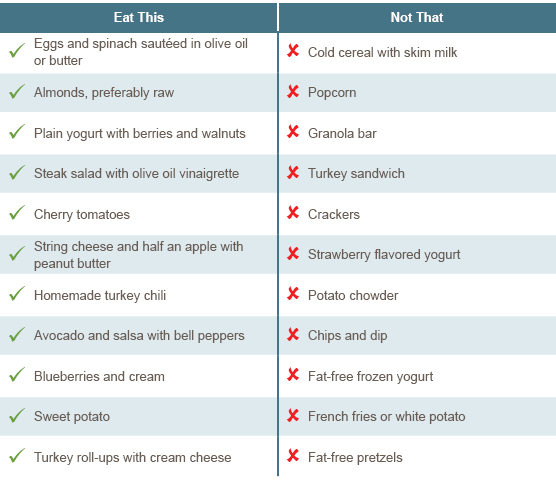
Simple choices you can make daily for diabetes prevention
Your Family History Doesn’t Determine Your Future
It is important to understand that you are not doomed to develop diabetes even if you have a family history of this chronic disease. It is preventable with the right knowledge and food choices, even if you are genetically prone to developing diabetes. I have a family history of diabetes (Type 2). My grandfather has it and has had many complications from it, including coronary heart disease, neuropathy, glaucoma and high blood pressure. My uncle is pre-diabetic, and another uncle of mine was pre-diabetic until he radically changed his diet (now he is doing well and is no longer considered pre-diabetic). Even with my genetics, I am proud to say that my food choices have kept me from becoming diabetic. Because of my body type, I realize that I am very sensitive to processed carbohydrates and could easily gain weight and become insulin resistant.
Diabetes and Pregnancy
Another form of diabetes to be aware of, especially if you plan on having children, is gestational diabetes. Gestational diabetes only affects pregnant women, usually after the 20th week of pregnancy. Gestational diabetes occurs when women consume excess amounts of high carbohydrate foods such as soda, cereal, pasta and chips. According to the American Diabetes Association, gestational diabetes occurs in 18% of pregnancies—and it doesn’t just affect women who are overweight. I often see clients who were normal weight before pregnancy that developed gestational diabetes. Having gestational diabetes puts women at higher risk of developing it again in future pregnancies and for Type 2 diabetes later in life.
When a mother has gestational diabetes, there are several risk factors to the baby including:
- Increased risk of miscarriage
- Birth defects in the brain and heart
- Higher birth weight, which makes for a more difficult labor and delivery
- Low-blood sugars in the baby; this can be very dangerous, especially to
the baby’s brain - Tendency for the baby to develop more fat cells and store more energy
(calories) as fat - Higher risk of breathing problems for the baby
- Increased risk of Type 2 diabetes and obesity later in the life of the child
and the mother
When mothers-to-be become aware of these risks, they are more motivated to avoid processed, high-sugar convenience foods.
Diabetes Is Preventable!
Be assured, Type 2 diabetes is preventable! The key to prevention or reversal of diabetes is to eat a variety of real foods in balance: real protein, vegetable carbohydrates and healthy fats.
For more information on this topic, listen to our October 1, 2011 Dishing Up Nutrition episode “Diabetes Prevention."
Share This Article