Are Your Neuropathy Symptoms Caused By Sugar?


This article collaborates with the Food & Supplements For Neuropathy episode on our Dishing Up Nutrition (you can listen below).
On that episode Melanie Beasley, a registered and licensed dietitian, and Kara Carper, a certified nutrition specialist gave us background on what neuropathy is and the common symptoms associated with the condition.
Be sure to listen to the entire podcast episode for more in-depth discussion what types of foods or beverages can make neuropathy symptoms worse and what foods and supplements to include in your diet that may slow the progression of neuropathy and may help relieve pain.
To learn about the specific connection of SUGAR to neuropathy, keep reading!

Do You Feel Pain & Is It Neuropathy?
One of the most common calls I get as a nutritionist is, “Help! What do I do to stop the tingling in my hands and feet? Are there supplements that will help?”
These clients are experiencing symptoms of peripheral neuropathy, or nerve damage. They are looking for a solution for the pain, often times with pain medications or a supplement.
For this problem, the solution may lie in what you put in your grocery cart, pack in your lunch or plan to order at dinner tonight.
What Is Neuropathy?
Technically speaking, neuropathy is a result of damage to a nerve or set of nerves.
Your central nervous system is made up of your brain and your spinal cord. It's considered the processing center of your entire body. Your central nervous system receives sensory symptoms and information, processes it, and then responds by sending a message to your peripheral nervous system, all the other nerves in the body.
If the peripheral nerves become damaged, the messages do not make it to its destination. This can often lead to weakness, numbness, unpleasant and often painful sensations, usually in hands and feet which are the furthest away from the brain and spinal cord.
Nerve tissue damage can also manifest in restless leg syndrome, plantar fasciitis, carpal tunnel syndrome, migraine headaches and even Alzheimer's.
So, what is causing this nerve damage?
Difference Between Peripheral Neuropathy and Diabetic Neuropathy
Peripheral Neuropathy:
Peripheral neuropathy is an umbrella term for any condition, disease or disorder that affects your peripheral nerves, which are all the nerves outside of your spinal cord and brain. Peripheral nerve damage can lead to a variety of symptoms such as numbness, tingling, pain, and weakness, particularly in the hands and feet.
Peripheral neuropathy can result from a wide range of causes including traumatic injuries, infections, metabolic problems, inherited causes, exposure to toxins, and chemotherapy to treat cancer.
One of the most common causes of peripheral neuropathy is diabetes.
Diabetic Neuropathy:
Diabetic neuropathy, a subtype of peripheral neuropathy, is specifically caused by frequent and chronic high blood sugar levels in individuals with diabetes.
Over time, elevated glucose levels damage the delicate nerve fibers, leading to diabetic neuropathy. This can affect nerves throughout the body, but most often the nerve damage is seen in the legs and feet.
Symptoms can range from pain and numbness in the extremities to problems with your digestive system, urinary tract, blood vessels, and heart. For some people, these symptoms are mild; for others, diabetic neuropathy can be painful, disabling, and even fatal.
So, while peripheral neuropathy refers to nerve damage in general without specifying a cause, diabetic neuropathy specifies that the nerve damage is a result of diabetes.
Effective management of diabetes is important to prevent or delay the onset of diabetic neuropathy (and nutrition counseling can help with blood sugar control to prevent nerve damage!)
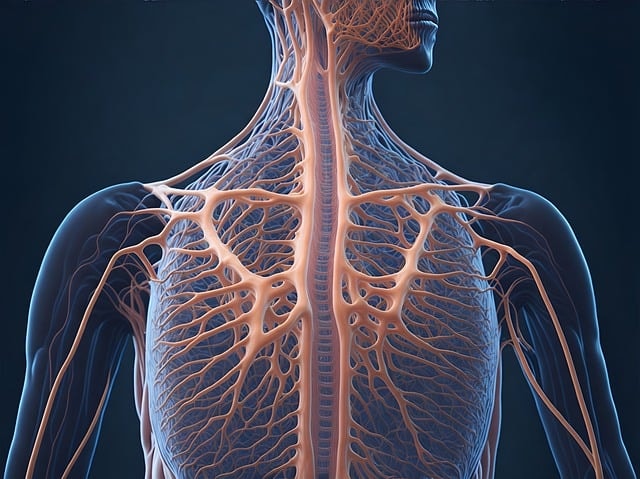
Nerve Damage Symptoms
Neuropathy, or nerve damage, can present a wide range of symptoms, which vary depending on the type of nerves affected.
There are three main types of nerves in the body: sensory nerves, motor nerves, and autonomic nerves, and each can be affected by neuropathy.
Here are some of the common symptoms of neuropathy associated with each type:
Sensory Nerves (Affecting Sensation)
-
Tingling or prickling sensations: Often described as a "pins and needles" feeling, usually starting in the hands or feet and possibly spreading upwards.
-
Numbness: Especially in the hands or feet, which may spread up the arms or legs.
-
Pain: Can be sharp, throbbing, or burning.
-
Sensitivity to touch: Even light touches can be uncomfortable or painful.
-
Problems with positional awareness: Difficulty sensing the position of your feet or hands, leading to challenges with coordination.
Motor Nerves (Affecting Movement)
-
Muscle weakness: Difficulty moving the affected part of the body.
-
Muscle cramps and spasms: Uncontrolled muscle movements.
-
Muscle wasting: Thinning of the muscles if neuropathy is severe or long-standing.
Autonomic Nerves (Affecting Automatic Body Functions)
-
Changes in blood pressure: Leading to dizziness or lightheadedness.
-
Problems with sweating: Either excessive sweating or not being able to sweat.
-
Bowel, bladder, or digestive issues: Such as constipation, diarrhea, or incontinence.
-
Heat intolerance: Difficulty adjusting to temperature changes.
General Other Symptoms
-
Loss of balance and coordination: Making it difficult to walk or hold objects.
-
Falling: Due to muscle weakness, loss of balance, or loss of proprioception (sense of body position).
It's important to recognize that symptoms of neuropathy can progress gradually and may vary widely from person to person.
If you experience any of these symptoms persistently, it's important to consult a healthcare professional for a thorough evaluation and appropriate management. Early diagnosis and treatment from early symptoms can often improve outcomes and may help prevent further nerve injury and chronic pain.
High Blood Sugar: The Most Common Cause of Neuropathy
Like mentioned before, nerve damage can be a result of several factors such as chemotherapy, exposure to toxins, alcoholism, traumatic injuries or a deficiency in B vitamins, but...
the most common cause of neuropathy is high blood sugars.
Neuropathy affects up to 50 percent of patients with diabetes, so we know there is a strong correlation between high blood sugars and neuropathy. Whether you're a diabetic or you're simply eating cereal every morning for breakfast, your peripheral nerves are being damaged by the excess sugar in your blood stream.
How Carbohydrates Affect Blood Sugar And Nerve Fiber
When you eat carbohydrates, especially in processed forms (like bread, pasta, cereal and crackers), the carbohydrates break down into sugar (or glucose), which rushes into the blood stream and then to your nerves and causes your nerves to swell.
When the nerve swells it cuts off the blood supply to the nerve and damages it, which can result in tingling, burning or numbness in the hands and feet.
But as already mentioned, symptoms of peripheral neuropathy can also cause migraine headaches, restless leg syndrome, carpal tunnel and Alzheimer's.
The average American today consumes 53 teaspoons of sugar daily compared to the 1900's when Americans consumed only two teaspoons per day! When we constantly expose our bodies to sugar on a daily basis, we are damaging our nerves little by little.
Dr. Richard P. Jacoby, author of Sugar Crush, explains how sugar impacts the nerves this way:
“When you eat a diet heavy in processed foods full of wheat and refined sugar, your body is put on a glucose roller coaster.
Because fiber has been stripped out of these products, the sugar inherent in all carbohydrates literally enters the blood stream in a rush. As your blood sugar spikes, most of the excess gets carried away to be stored as abdominal fat.
While that's happening, excess glucose still circulates throughout your body, attaching itself to protein and building up sorbitol in the cells, causing them to swell and compress the nerves.”

Relieve Neuropathic Pain With Nutrition
To help manage blood sugar and reduce the rush of glucose into our bodies and nerves, making some key nutrition changes can help affect nerves in a positive way.
To improve nerve health, remove or reduce these foods:
-
Cereal, cereal bars, and instant oatmeal
-
Popcorn, cookies, chips and crackers (including whole grain varieties)
-
Soda, juice, sweetened coffee beverages and energy drinks
-
Pasta, bread, bagels and English muffins (including whole grain varieties)
-
Ice cream, candy, cakes and brownies
Start by eliminating or reducing the amount of high sugar and processed carbohydrates. Processed carbohydrates come in all shapes and sizes. What is confusing is that we don't recognize many of them as high-sugar foods.
We know what you're thinking…What am I supposed to eat? Keep on reading! We would never leave you without ideas on what to eat.
Eat These Foods To Improve Neuropathy And Support Your Nervous System
Real carbohydrates from vegetables and small amounts of fruit, real fats and animal proteins will keep your nerves strong and healthy.
Here is what to add to your meals and snacks:
-
Vegetables in all shapes, sizes and colors (organic if possible)
-
Small amounts of fruit
-
Healthy fats including butter, heavy cream, coconut milk, avocado and avocado oil, nuts, seeds, olives and olive oil
-
Grass-fed beef, organic turkey, chicken, pork, eggs and wild-caught fish
-
Small amounts of whole grain wild rice, brown rice and quinoa
Start tomorrow with breakfast! To prevent nerve damage, make our Crustless Spinach Quiche instead of eating a bowl of cereal and fruit. A serving of this quiche turns into only two teaspoons of sugar in your blood stream instead of the 32 teaspoons you'd get from eating cereal and fruit.
Correcting Vitamin Deficiencies May Help To Improve Neuropathy
Sometimes peripheral neuropathy symptoms are caused by vitamin deficiencies, particularly of the B vitamins. Your medical provider can order blood tests to check your levels.
Vitamin Deficiencies that may cause peripheral neuropathy:
-
Vitamin B12: A deficiency in vitamin B12 can lead to a specific type of neuropathy known as peripheral neuropathy, affecting the nerves outside the brain and spinal cord. Vitamin B12 is crucial for the maintenance of the myelin sheath that surrounds and protects nerves.
-
Vitamin B1 (Thiamine): Thiamine deficiency is also known to cause neuropathy. Thiamine is essential for nerve function and energy metabolism. Severe thiamine deficiency can lead to beriberi, a disease affecting the heart and nervous system.
-
Vitamin B6 (Pyridoxine): Both deficiency and excess intake of vitamin B6 can lead to neuropathy. This vitamin is vital for normal nerve function.
-
Vitamin E: Vitamin E is an antioxidant that helps protect cells, including nerve cells, from damage. A deficiency in vitamin E can lead to neuropathy symptoms, particularly affecting balance and coordination due to its role in the nervous system.
It's important to note that while supplementation can help in cases of deficiency, excessive intake of some vitamins, particularly vitamin B6, can also CAUSE neuropathy.
Make an appointment with one of our registered dietitians or nutritionists to ensure proper diagnosis and treatment.
Recap on Neuropathy and Sugar
While there are many causes of neuropathy and symptoms depend on what type of nerves affected, the biggest culprit of peripheral neuropathy is high blood sugar.
High blood sugar is caused by excess sugar and processed carbohydrates when the body has a challenging time digesting, particularly in folks with insulin resistance, pre-diabetes, and diabetes.
To help protect your nerve fiber, reduce the amount of sugar in your diet and balance your plate with lots of nutrient-dense foods you find in nature: animal protein, healthy fat, and minimally processed carbohydrates, like vegetables, fruit, whole grains.
If you suspect you have vitamin deficiencies, connect with one of our registered dietitians and nutritionists, who can help set up a plan for you.
We love to hear from you! How have you changed your diet to experience less pain?
Food & Supplements For Neuropathy | Dishing Up Nutrition podcast episode
In this show, we’ll start by explaining what neuropathy is and the common symptoms associated with the condition. Then we’ll cover what types of foods or beverages can make symptoms worse and what to include in your diet that may slow the progression and may help you find some relief. LISTEN HERE: Food & Supplements For Neuropathy
More Resources:
CLASS: Get notified about our next How Break Up With Sugar In 28 Days challenge!
READ: Supplements for Sugar Cravings
READ: 6 Strategies to Kick Your Sugar Habit for our top tips on actions you can take today to reduce risk factors from too much sugar
INSPIRE: “It got to the point where I was in so much pain, that I couldn't even walk … and six months later, I am up to a mile and a half walking.” Melissa's Story, Pain Gone
References:
DIABETES/METABOLISM RESEARCH AND REVIEWS: Diabetes Metabolism Research Review 2012; 28(1): 8–14. Jacoby, R. P. (2015). Sugar Crush. New York City, NY: Harper Wave.
Share This Article