How To Prepare For Menopause In Your 30s & 40s

 Every day I talk to women in their late 30s and 40s that are thinking the same thing: “What happened to me?” As a woman nearing 40, I’ve had the same thought. It’s like you wake up one day and you don’t recognize the body you are in. Your body may have physically changed and you also feel different mentally. Nothing has changed yet everything has changed. Can you relate? Years ago, when I first started in my career as a dietitian, I found myself having this conversation with so many women. They were doing the “right” things yet feeling stuck and having symptoms that left them frustrated and defeated. It seemed like exercising and eating healthy weren’t enough. The habits that worked for them before weren’t working the same for them now. I started researching and became personally invested in helping women figure out this tricky phase of life that is stealing a lot of joy. We are all going to have to face this hormonal rollercoaster that comes with being a woman. There is no getting around it.
The good news is that we don’t need to suffer through the hormonal changes. We can’t avoid these changes, but we have the power to make the years leading into menopause more symptom free to live our best lives. So let’s figure this out, shall we?
Hormone Cycles For Women
Throughout our lives there are many different milestones and hormonal changes women encounter: adolescence, reproductive years, pregnancy and postpartum (if you choose to have children), perimenopause, menopause, and post menopause.
Sadly, many of us are not taught much about our hormones or our menstrual cycle. We may not even know where we are in our menstrual cycle during any given month. Ladies, we absolutely need to be educated about our own body. There are major changes to our hormones throughout our cycle, which can explain why we feel differently throughout the month.
For this article, let’s focus on the key phases of our menstrual cycle to better understand what happens in perimenopause and menopause:
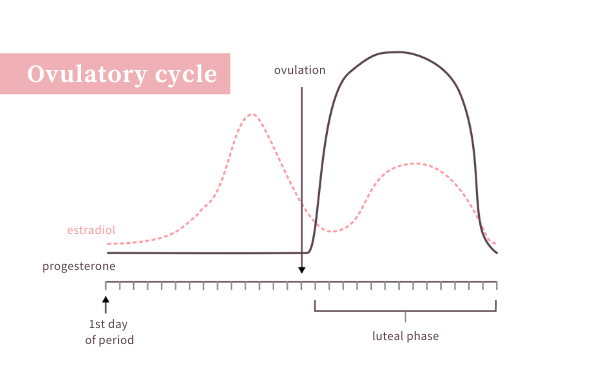
As you can see the length of each phase varies from woman to woman, so it’s really important to know your own body. Knowing about your menstrual cycle is important for assessing your health. Did you know it is often referred to as your fifth vital sign? Knowing when your period starts, how many days between periods, whether you ovulate or not, and how long your period lasts are all important pieces of information. You can keep track via an app or even just mark it on a calendar. Remember, day 1 is the day you start bleeding (not just spotting).
What Is Perimenopause & Menopause
Now that we’ve covered what a healthy menstrual cycle looks like, let’s define what the perimenopause and menopause stages are so you know when you might be in each one.
Perimenopause
Many of the symptoms we associate with menopause actually occur during perimenopause, the 10 or so years leading up to menopause. This is the period in time when our hormone production of estrogen and progesterone are declining, we ovulate less frequently, and we feel like we are on a wild rollercoaster of emotions and symptoms. This phase can be really frustrating for many of us.
Menopause
Menopause is defined as going 12 months without getting your period. This is essentially when your body produces only very small amounts of estrogen and progesterone because ovulation completely stops. After this you are considered post-menopausal. The average age of menopause is around 52 years old, but again, this varies from person to person.
Key Hormonal Players During These Stages
As previously mentioned, women go through a rollercoaster of hormonal changes. Let’s take a look at some of the major hormonal players to help you learn more about your body.
Estrogen is the main female sex hormone. The ovaries’ production of estrogen starts to decrease as we enter perimenopause. It may be more of a gradual decline because other parts of our body can still make estrogen, like fat cells. So, the more fat cells we have, the more estrogen that is produced, which isn’t necessarily a good thing as it can lead to estrogen dominance.
Progesterone is our calming hormone. Production of this hormone decreases dramatically due to less frequent ovulation. Remember we need to ovulate in order to make progesterone. Many of the symptoms we experience in perimenopause are due to the skewed ratio of estrogen to progesterone. When you have more estrogen than progesterone, we often see a condition called estrogen dominance. Estrogen dominance causes many of the symptoms we’ll discuss in a bit.
Insulin is our blood sugar hormone, which I like to refer to as a master hormone. If insulin is elevated it will affect all the other hormones in our body. As we get closer to menopause, our body starts to become more insulin resistant.
Cortisol is our stress hormone. For many women, cortisol increases in our 30’s, 40’s and 50’s because of our busy modern lifestyle. Let’s face it, there is a lot of stress in this world and it can play a big role in our weight and overall health. When we have chronic high levels of stress, this causes belly fat around the midsection plus a rise in inflammation in other areas of the body. High cortisol causes blood sugar levels to rise; and when blood sugar spikes, insulin is also released.
When any of these hormones are out of balance, it affects all of our hormones and we start experiencing symptoms.
Nutrition Tips & Lifestyle Habits To Start Now
Reading through that list of symptoms can cause a lot of dread for the perimenopause stage of life, but there’s good news! You don’t have to wait for things to get uncomfortable. To help you balance your hormones and take care of your body NOW before entering perimenopause, here are some things you can start incorporating into your routine:
- Balance your blood sugar: at Nutritional Weight & Wellness, we talk a lot about balanced eating for balanced blood sugar. Doing so helps to balance our master hormone insulin. To balance hormones, we must make sure we have foundational balance in our health. We have a lot of resources on what eating for balanced blood sugar looks like, but you want to focus on eating animal protein, natural fat, and whole food carbohydrates at meals and snacks.
- Eat foods that support hormone balance: eating a nutrient dense diet that balances blood sugar also supports hormone balance! Meals with animal protein, healthy fats, and complex, fiber-filled carbohydrates will lower inflammation, balance your gut, and give your hormones the nutrients they need. Cruciferous vegetables, root vegetables, beans and fruit are some great complex carbohydrate options that will also help support healthy estrogen metabolism.
- Eat progesterone boosting foods: many of the symptoms in perimenopause are due to decreasing progesterone levels. Help support progesterone production by increasing intake of magnesium rich foods (like pumpkin seeds, almonds, lentils, beans, avocado), vitamin C rich foods (like citrus, strawberries, broccoli, tomatoes, kiwi, peppers), and vitamin B6 rich foods (like fish, chicken, legumes, nuts and seeds).
- Get adequate, quality sleep: when we don’t get quality sleep, our hormones can’t function properly. The problem is that sometimes in perimenopause our sleep quality tanks thanks to a decrease in progesterone. Enter insomnia, hot flashes, and night sweats. Establishing healthy sleep hygiene, exercising, avoiding alcohol and caffeine, and exposing yourself to natural sunlight in the morning can help improve sleep.
- Reduce stress: easier said than done but know that mental and emotional stress decreases estrogen and progesterone production. Stress can make a lot of symptoms worse, especially anxiety. Some ways to manage stress include exercise, mindfulness, meditation, and prioritizing the things that bring you joy.
- Track your cycle and symptoms so that you know what is normal for you! This will give you an understanding of where you are in your hormonal journey. Keeping track of how you are feeling at different times of the month will also help you know whether changes you are making are helping to relieve symptoms and improve quality of life.
Key Supplements For Hormone Support
We always recommend food first. Start there, but know that sometimes with all the different aspects of our environments (excess estrogens for example), our bodies may still need a little extra help. If you need some additional assistance, here are some things to try:
- Estro I3C or Estro ReBalance both contain DIM, an ingredient found in cruciferous vegetables, which may help with healthy estrogen balance and detox.
- Calcium D Glucarate to help our liver and gut with detox and support healthy estrogen balance.
- Liver support like Milk Thistle or AdvaClear may provide the liver with the nutrients it needs to detox.
- Adaptogens like ashwagandha may help support our body’s response to stress.
- Maca is also an adaptogen. It can be really beneficial for women in perimenopause because it also helps boost production of progesterone and lower many of the symptoms they experience.
- Natural progesterone cream mimics the natural amount of progesterone our ovaries make. It can really help with sleep and hot flashes.
You Don’t Have To Go It Alone!
Truth be told hormones are complicated and this article is just a small snapshot of the changes we can experience in perimenopause. Sometimes this stage of life seems like a mysterious thing. Every woman will go through it, but it’s often not talked about. It’s the mission at Nutritional Weight & Wellness that you not suffer through this phase of your life! Let’s start having these conversations in our 30s and 40s so that we age with vibrancy and our girls grow up with the information they need to thrive at their fingertips, too.
I encourage you to make an appointment for 1:1 support so that we can help you figure out the best course of action to tackle your hormonal symptoms. It’s often a matter of lifestyle changes and having individualized guidance makes a huge difference.
For more information on perimenopause and menopause, check out these resources:
- Read: Menopause Diet: Can Nutrition Help Menopause?
- Read: The Ultimate Guide to Menopause
- Listen: How To Avoid Menopause Weight Gain
- Learn: Menopause Solutions online class
Resources:
Is this Normal? by Dr. Jolene Brighten
Hormone Intelligence by Aviva Romm MD
Period Repair Manual: Natural Treatments For Better Hormones and Better Periods by Lara Briden, ND
Image credit: Lara Briden, ND / Ovulation Is The Main Event of the Menstrual Cycle
Share This Article