Honest Talk about Urinary Incontinence

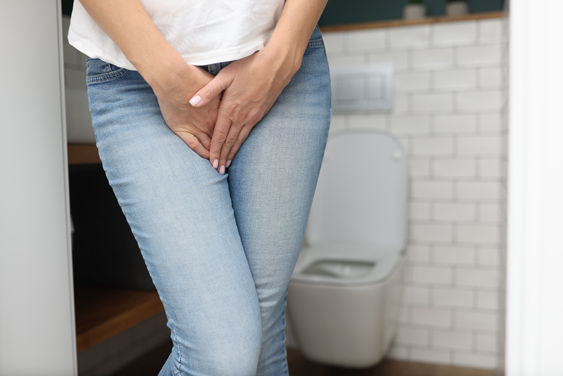 This is a very personal topic and one we often don't want to talk about. However, this issue plagues people of all ages, both men and women alike, so we want to bring this issue out into the open. According to an article published by the National Institute of Health in 2019 titled, Urinary Incontinence in Postmenopausal Women, urinary incontinence affects women twice as often as men and it impacts more than 50% of postmenopausal women. If you experience incontinence, you are not alone!
Urinary incontinence is defined as the involuntary leakage of urine. Two of the main types of incontinence are stress urinary incontinence, which is instigated by some kind of stress or pressure put on the bladder (think coughing, sneezing, bending, lifting something heavy) and overactive bladder, or urge incontinence, where the bladder is being triggered to empty at lower volumes than typical and can create twitching and contracting of the bladder. Sometimes folks can experience both urge incontinence and overactive bladder!
Because incontinence can be experienced by men and women of all ages, it is challenging to pinpoint exactly what causes it. For women, some common reasons could include nerve damage from childbirth, surgeries, radiation, smoking, alcohol, obesity, and the dynamic changes to hormone levels when going through menopause. Prescription medications can also have an effect on the thinning of muscle tissue.
Both stress incontinence and urge incontinence are aggravated by sugar, caffeine, soda (diet and regular), food additives, and alcohol. It is best to avoid these substances if you are having incontinence issues or frequent infections.
How nutrition can help support urinary function
At Nutritional Weight & Wellness, we know that a high protein food plan, along with healthy fats, and fruits and vegetables can help us avoid inflammation and heal our bodies, even the pelvic muscles and thin urethral tissues associated with incontinence.
Many women have been avoiding protein for fear of the fat and calories, but we’ve seen in clinical experience how important protein is, especially as we age. We recommend an anti-inflammatory eating plan including the following:
- Avoid grains, dairy, and soy. These foods are known to cause inflammation.
- High quality animal protein. Use grass fed or organic if possible.
- Healthy fats. We are a "fat phobic" society, which is unfortunate because we need healthy fats to hydrate the urethral tissues.
- Vegetable carbohydrates, along with a few fruits: modern diets have way too many processed foods, sugar, and chemical additives, which cause inflammation. Be cautious of grains if you are carbohydrate sensitive.
- Beverages: drink at least 8-10 glasses water daily, or 50% of your body weight in ounces. Avoid caffeine, soda, sugary drinks, and alcohol.
- Supplementing with GLA – gamma linolenic acid – can support the health of your tissues by promoting hydration and elasticity. It can also help with balancing hormones if your incontinence is menopausal related.
Beyond nutrition, there are other solutions to help support the symptoms of incontinence, like bladder training, reviewing medications, exercises that strengthen the pelvic floor muscles, and a bladder diary with timed bathroom trips to name a few. The important thing to note is that seeking support from your doctor and nutritionist or dietitian is well within your realm of possibilities so you aren’t suffering in silence.
Experiencing other menopausal symptoms? Take our online Menopause Solutions Seminar!
Do you suffer from frequent urinary tract infections?
Frequent urinary tract infections are common and often have similar symptoms to incontinence, like the frequency and urgency of needing to empty the bladder. Naturopathic doctor Lara Briden, who specializes in women’s hormones, shares that the natural treatments for issues involving the bladder, vagina, and pelvic floor – particularly urinary tract infections – are ones that focus on maintaining the health of the cell lining and the friendly bacteria in the microbiome of the vagina.
The above food recommendations for incontinence will also help in avoiding a reoccurrence of infection because they help nourish those tissues and “good bugs” bacteria. Ongoing use of antibiotics is problematic for your microbiome health and can exacerbate the likelihood of repeated infections. Probiotics such as bifido bacteria and lactobacillus acidophilus are often recommended to avoid infections and the overuse of antibiotics.
- Get a medical evaluation to be sure there is not an anatomical reason for the infections.
- Follow the anti-inflammatory foods that include quality animal protein, healthy fat, and vegetable plus fruit carbohydrates. Sufficient protein, essential fatty acids, and zinc will all help keep those sensitive tissues nourished.
- Avoid caffeine, soda, and smoking. Drink filtered water, equal to 50% of your body weight in ounces.
- Avoid artificial sweeteners such as aspartame (blue package), sucralose (yellow), and saccharin (pink).
- Reduce alcohol, sugar, soy, and grains.
- Follow a supplement plan that includes a bifido bacteria and acidophilus probiotic, B vitamins, and cranberry capsules (Cran Max) depending on your personal health history. You could also experiment with taking omega-3, vitamin D3, and/or zinc to help support what you’re getting through food.
Get Nutrition Support For Incontinence & Urinary Infections
There isn’t a once-sized-fits-all solution when it comes to these complex (and often embarrassing) issues we have with our bodies. If you are experiencing frequent infections or difficulties with your bladder, consider setting up an appointment with a nutritionist or dietitian. It takes time and commitment to see results, but an anti-inflammatory food plan can help these issues. We’ll take a look at your symptoms and all the variables that are part of your unique health history. We'll work with you to make a customized meal plan that fits with your schedule and your individual needs as well as recommend supplements that may help you improve your health and enjoyment of life.
For more information, check out these resources:
- Read: Skin Issues, Just One Sign of a GLA Deficiency
- Listen: Incontinence Problems at Any Age
- Listen: Relief for Menopause Symptoms
- Success: Jennifer’s Story – Chronic Infections Gone!
Resources
https://www.ncbi.nlm.nih.gov/pmc/articles/PMC6528037/
Hormone Repair Manual: Every Woman’s guide to Healthy Hormones After 40 by Lara Briden, ND, 2021
The Menopause Manifesto by Dr. Jen Gunter, 2021
Share This Article