High Blood Sugar, What’s the Big Deal?

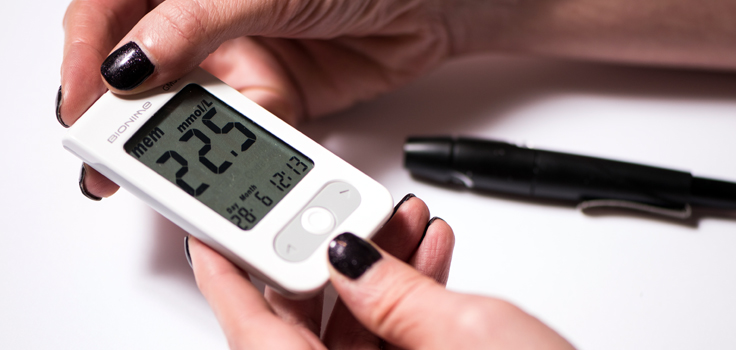
High blood sugar (hyperglycemia) is a serious condition; it’s also very common. When conditions become common we tend to take them less seriously. But with Type 2 Diabetes on the rise (data shows that one out of three people will develop the disease in their lifetime¹), high blood sugar is not something we should be taking lightly.
How does sugar get into the blood anyway?
When you eat a food that is made up of carbohydrates, such as bread, pasta, cereal, candy—even fruits and vegetables—the carbohydrates are broken down into sugar (glucose) during digestion. The sugar makes its way into the blood stream via the small intestine. This sends a signal to the pancreas to release the hormone insulin. It’s insulin’s job to shuttle the sugar out of the blood stream and into your cells.
This sugar provides energy for your muscle and brain cells. When you have enough sugar—but not too much—you feel great, have a lot of energy, focus, and a good mood. If there is too much sugar in the blood stream, it’s a signal of a problem. The mechanism of getting sugar out of the blood stream and into the cells is not functioning correctly.
Chronic high blood sugars can lead to diabetes and a host of complications that can be serious and debilitating.
The downside of having high blood sugar
- Damages the blood vessels in your eyes, which can lead to poor vision, even blindness
- Damages your hearing, so that slowly you hear less and less
- Damages your kidneys, which can lead to the need for dialysis
- Damages the nerves in your toes, which can lead to neuropathy, a burning sensation and loss of feeling)
Good news! All of these conditions can be avoided. You are in charge of your blood sugar. Every time you choose a meal or snack, you are making a decision that affects your blood sugar levels.
Most people can avoid high blood sugars by eating the Weight & Wellness Way
For stable blood sugar, choose animal proteins, carbohydrates from vegetables and fruit (in limited quantities), and quality fats at meals and snacks. The protein and fat will anchor your blood sugar so it stays within a healthy range and slows digestion so you feel satisfied longer.
The Weight & Wellness Way to stabilize blood sugar all day long:
BREAKFAST
- 2 eggs (protein)
- 2 slices nitrate-free Canadian bacon (protein)
- 1 cup asparagus (carbohydrate) sautéed in 2 teaspoons butter (fat)
- 1 clementine (carbohydrate)
SNACK
- ½ cup plan, full-fat Greek yogurt (protein)
- 1 scoop protein powder (protein)
- ½ ripe pear (carbohydrate)
- ¼ cup chopped nuts (fat)
LUNCH
- Spicy Coconut Stew (protein, carbohydrate and fat)
- ½ cup brown rice (carbohydrate)
SNACK
Make a kabob out of:
- 2 ounces cubed turkey (protein)
- 1 cup cherry tomatoes and nine grapes (carbohydrate)
- 10 black olives (fat)
DINNER
- 4-6 ounces pork tenderloin (protein) topped with ½ apple (carbohydrate) sautéed in 2 teaspoons butter (fat) and a sprinkle of cinnamon
- 2 cups cooked broccoli (carbohydrate)
- Still hungry? Add: A side salad (carbohydrate) with 1 tablespoon olive oil (fat) and balsamic vinegar
BEDTIME SNACK
- Cucumbers, carrots and bell peppers (carbohydrate)
- 2 tablespoons guacamole (fat)
If you are concerned about your blood sugars and would like help learning how to eat the Weight & Wellness Way, consider taking one of our classes:
- Avoiding the Diabetes Epidemic with Real Food,
- The Weight & Wellness series, or
- The Nutrition 4 Weight Loss Program
Or meet with a nutritionist for a one-on-one consultation. Managing blood sugar can be challenging, but we have helped many clients successfully keep their blood sugar stable and would love to help you, too. Food really matters!
For more information, listen to our podcast: How to Avoid the Complications of Diabetes.
Sources:
1. CDC 2014 National Diabetes Statistics Report
Share This Article