 The past 20 months have been packed with stress. How have people been coping with the extra stress? For many, they are turning to food, especially sugar and processed foods. We all know that the pandemic has increased stress, but did you know that the sales of pre-packaged ultra-processed foods have also increased? The average diet in the U.S has shifted from eating real food toward a more processed diet. And this is even more so than it was even 20 months ago.
A study just published on October 14th, 2021 in the American Journal of Clinical Nutrition found that ultra-processed foods, like boxed macaroni and cheese or canned soup, is associated with a poor diet and people eating this type of diet are at a higher risk of chronic disease. This study reported that an ultra-processed diet may be the key driver behind the obesity epidemic. Yes, fast food, pre-packaged and processed foods are convenient and inexpensive, but it is clear they are affecting the health of people who eat these convenient foods.
If you’re back to eating your favorite sugary treats or other processed hyper-palatable foods during this seemingly endless pandemic, you are not alone. A global study confirms that during the pandemic, many people ate more junk food, they exercised less, were more anxious and got less sleep. And we know that the pandemic is not technically over!
A study on the effects of the pandemic and health habits looked at 7,750 people and found that these people became more sedentary and many of them gave into their food cravings. They drank more soda and ate more high sugar snack food. About 33% of the people who struggled with their weight before the pandemic gained even more weight during this last year and a half. In this study, the social isolation also increased people's anxiety and about 44% struggled with their sleep.
Does this sound like you? Can you relate to any of these statistics? Has Covid got you back on sweets? Remember, sometimes we confuse sweets with, yes, it might be something sweet tasting, but sometimes we like our sweets deep fried and covered in salt. Those still can be something that's high in carbohydrates and are considered comfort foods.
Let’s break down how stress can manifest in our lives and what we can do about it.
Sleep Struggles
With the stress of the pandemic, many people are not sleeping as well. They are eating more sugary treats more often to get a boost in energy to compensate for low energy from lack of sleep. I can relate.. Two nights ago, I had the hardest time sleeping. The next day at work, we celebrate birthdays at Nutritional Weight and Wellness too! We celebrated with some fair-trade dark chocolate, some olives, and some prosciutto. You know, we're a crazy bunch!
Overall it’s a healthy treat. There was some leftover chocolate left in the kitchen area and, because I hadn't slept well the night before, all day I was kind of like, “well, should I go get a piece? Should I not go get a piece? Is it too much?” There was that sugar craving.
And so when we don't renew our energy through getting good sleep, we seek out that energy from food and usually higher sugar foods. Because it wasn't the olives and the prosciutto that were calling to me. It was the chocolate. Especially if you are back in an office environment, there's typically some kind of treats or snacks in the break room that call out your name a lot of times, typically during that afternoon slump and especially now that it’s holiday season.
Sugar, Stress and How It Affects the Brain
A lot of clients tell us that they eat the special treat and they go to that comfort food much more frequently when they're under stress. Here is a question to consider: is it a comfort food or is it a stressor? The foods that we eat and the beverages that we drink can be a factor in increasing or decreasing our stress.
In past Dishing Up Nutrition shows and podcasts, we have explained how we make our brain chemicals, especially our neurotransmitters, such as serotonin and dopamine. We take the food that we eat, we digest it down, and it turns into our brain chemicals. With the help of a functional MRI, researchers have been able to see how the reward chemical, dopamine, increases after eating sugar, drinking alcohol, or doing drugs. When this happens over and over again, the brain becomes dependent on these outside sources of drugs, alcohol, or sugar to produce dopamine. Researchers have a term for this phenomenon called dopamine downregulation.
When someone is overdoing substances including sugar, the brain becomes dependent on those outside sources for us to have adequate neurotransmitters like dopamine or serotonin, which make us feel good, calm, and happy. Of course, we want enough neurotransmitters, but we really won’t get a balanced brain chemistry when we try to get those dopamine hits through sugar as our brain will need more and more just to feel good with that temporary rush of neurotransmitters.
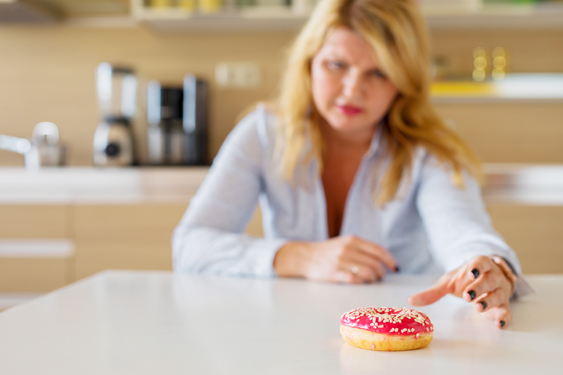
The pattern goes like this: we take in something that triggers dopamine in the brain. For example, maybe you had a stressful day at work, so you grab a sweet treat because you had a rough day and that might help you cope with the stress. Afterwards you feel pretty good because you got a short-lived burst of dopamine from the sugar. That dopamine makes us want more of that item, which then we may do the next time there’s a stressful day, which then creates a habit that gets fueled by that dopamine. And it's a vicious cycle because then we need more of that thing in order to get that same response.
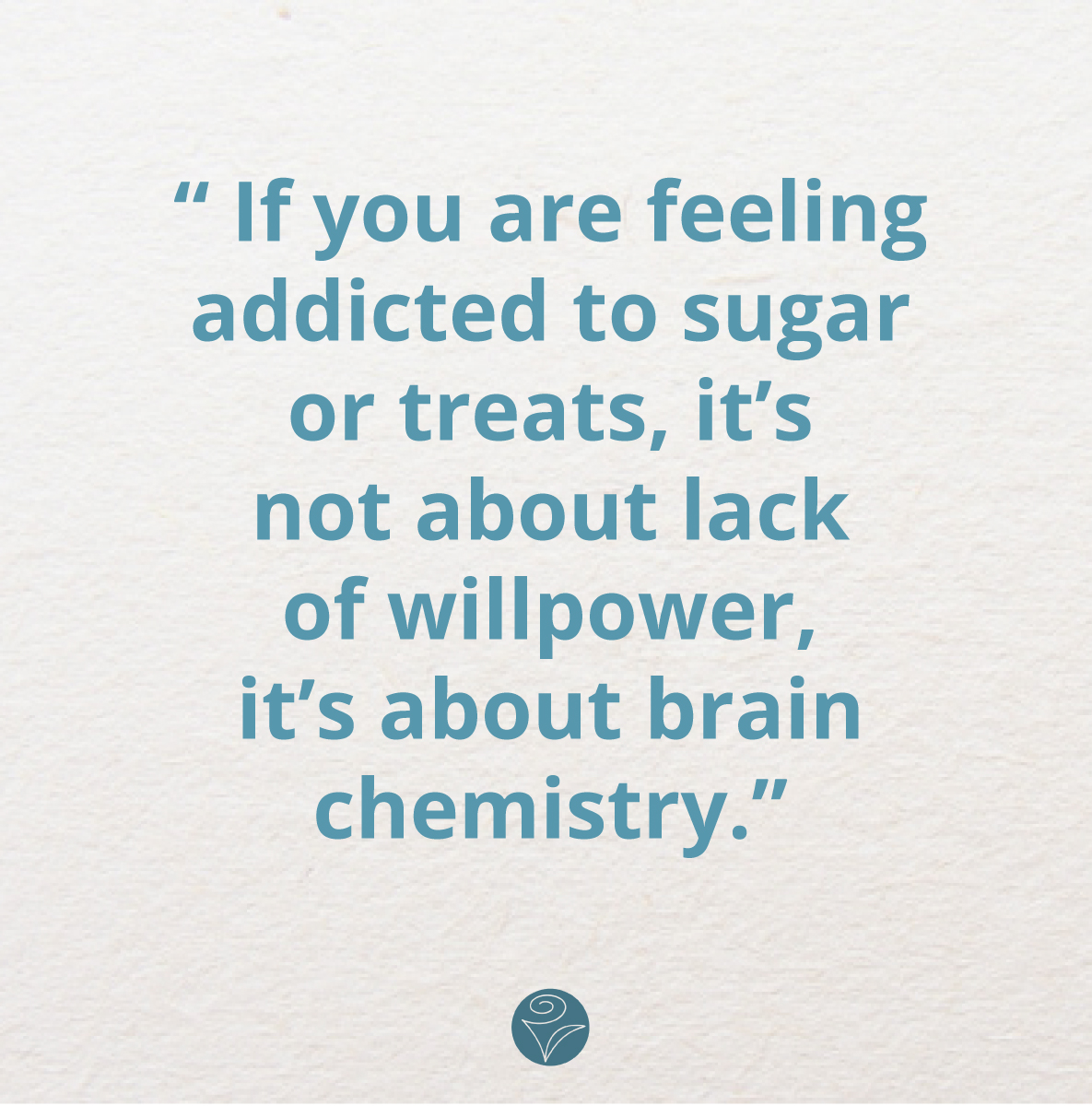 When talking about dopamine downregulation, that's really what we're talking about: you need more of that substance in order to produce the same effects. If you are feeling addicted to sugar or treats, it's not about lack of willpower, it's about brain chemistry. I’m going to give some tips on how to get out of that cycle and that pattern, but first, let’s look at how sugar creates stress in another area of our body.
Blood Sugar and How it Relates to Cravings
People often think of work stress, home stress, life stress, but not many people realize that sugar is a dietary stressor because it changes our brain’s reward center, like mentioned above. Sugar is inflammatory and it causes blood sugar dysregulation, or blood sugar problems.
As nutritionists and dietitians, we know that when a client's blood sugar drops below normal, or drops below what their normal is, they will crave processed carbohydrates. They will crave some sort of sugar. That’s just the body's natural way of saying, “Oh, I want to get out of this feeling of low blood sugar state.” And so realistically, the sugar IS what's going to do that the most quickly, even though that's not the answer that we want. We're naturally drawn to that thing that's going to pull the blood sugar up the fastest.
Typically, when a person's blood sugar is low, they also have other symptoms, like low energy and cravings. They're wanting the sugar or carbs to give them that temporary rush so that they have a better mood or more energy. Unfortunately, grabbing something with sugar, while it does the job temporarily, it can spike our blood sugar too high. Then it's going to come crashing down and then we feel tired. We have more cravings. We feel more stressed out. The more sugar you eat, the more stress you feel, the more you want sugar to feel better again. It's that vicious cycle we’ve been talking about!
The more stress we feel, the harder it is to get a good night's sleep. The less we sleep, the higher the anxiety, the more we reach for comfort foods. It's understandable that people have gained weight and turned to sweets during the pandemic because all of these things are happening! The question some of you may have is, “How do I get the sugar out of my life?” Maybe you are living in that dopamine downregulation right now and need some help balancing your brain chemistry.
Solutions for Breaking the Sugar and Stress Cycle
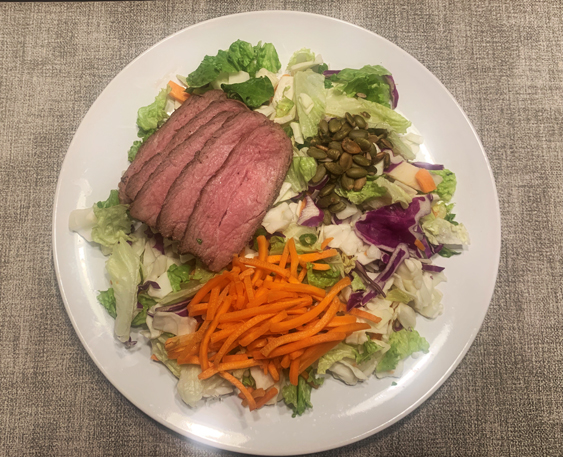
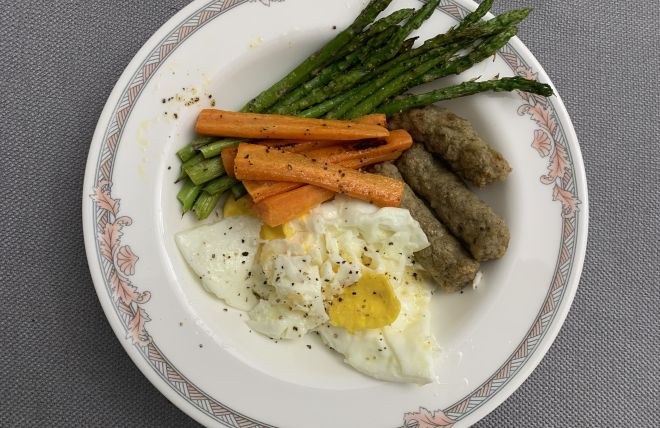
To avoid those situations and to get out of the stress cycle, start by eating the Weight and Wellness way, which is a combination of a good protein source, a carbohydrate that’s preferably a vegetable carbohydrate, and beneficial, healthy fats at least four times a day. That is really the key to reducing those cravings and, to avoid having low blood sugar, we need to be eating in balance every few hours.
So if the answer is to eat the Weight and Wellness way with real food, how do we get there? The fact of the matter is eating more sugar during the COVID-19 pandemic is a habit or behavior that really needs to be changed. How do we get out of these patterns and habits that kind of get wired in us?
What is the strategy we are going to take? How do we make these changes? It's not so much having a goal of change, but the system around that goal. The goal can be worthy, but if we don't know how we're going to get there, that's really difficult.
How do we take action? Where do we start? Here are some steps to accomplish this goal of eating real whole food in balance throughout the day:
Steps for Creating Habit Change
- Step 1: control your environment
Just stop buying junk food. That might sound simple, but keeping sugary treats, chips, bread, cereal, crackers, pastries around makes the temptation greater. If you don't buy that stuff and don't have it in your house, there's no option for bingeing on it, right? If there are other places that trip you up and cause trouble, perhaps it's your work environment or other spaces that you spend your time in, try to control that environment as much as you can by always giving yourself healthy options and keeping those temptations out of sight. - Step two: plan regular meals
To maintain normal blood sugar, most people need to eat at least four times a day. Sometimes people need to eat more, maybe six times a day. To build up your brain chemicals naturally, it's ideal if each meal includes three to four ounces of animal protein, one to two cups of vegetables and at least one tablespoon of natural fats added to those meals. And when I say plan your meals, I mean that I want you to sit down and write or type out exactly what you are going to eat the next day. What I'm talking about is FUTURE planning, because we always make better decisions for our future selves, as opposed to making decisions in the moment based on what we feel like eating. - Step three: know your personality type and create other sorts of planning
Especially if you are an all-or-nothing person (where if one tastes good, more is better!), what is your plan for navigating the holiday season where treats seem to be everywhere? How is that going to go in your life? Is having none of the treats rather than one of the treats a strategy that truly works best for you? That might sound overly restrictive, and you don't have to do that if that's the case for you. But what it does is it gives you some information about yourself and what works best in your health plan. Do you want to live in that battle of how much can I have? When can I have it? If I have it, do I have to run extra or work out more? If it does that thing to your brain, then maybe we need to think about other ideas. For more on this personality type, check out this article “Is Everything In Moderation” Terrible Advice? Part One and Part Two. - Step four: focus on protein, fat, and carb several times a day
With so much out of our control, let’s make it really simple and focus on the things you CAN control, like what goes on your plate for meals and snacks. A quality animal protein, a healthy fat, and fruit or vegetable carbohydrate combo will balance your blood sugar, give you energy, boost your mood, and make you feel nourished from the inside out. It’s one way to reduce the stress your body and mind are under on the daily.
This is a stressful time we are living in and support is huge, especially when making habit changes. Because each individual needs vary, and of course each person's biochemistry is a little bit different, most people do best when they work one-on-one with a dietitian or nutritionist so that we can tailor-make that food plan for you and strategize how to implement it. Sometimes it's not just the food that’s the challenge! That's a huge chunk of it, but there's the “How are we going to make this happen” plans that we need to make in order to make this work for you as an individual. Some things that work for some people don't work for other people just based on your life: your lifestyle, your family, your job.
For more information, check out these resources:
- Read: You INCREASE Stress or DECREASE Stress with Your Food
- Listen: Avoiding Weight Gain During Stressful Times
- Learn: Breaking the Sugar Habit
Try: a Sheet Pan Fajita recipe or a one-pot Turkey Quinoa Stew recipe for balanced meals.
Share This Article