Our Approach To Digestion
Our Approach
At Nutritional Weight & Wellness, we understand that digestive issues are rarely just about one “trigger food” or a single symptom. Bloating, gas, heartburn, constipation, diarrhea, and discomfort after eating are often signs that your digestive system is out of balance—and that your body isn’t breaking down and absorbing nutrients the way it should.
We also recognize that digestion is connected to the rest of your body—your energy, mood, immune system, and even joint comfort. Our approach focuses on rebuilding digestion from the inside out with real food nutrition. Our goal is not just to quiet symptoms for a day, but to help improve your digestion for the long term.
“Prior to addressing my nutrition, I lived in a constant state of discomfort in my body. Bloating and stomach pain were my set point, my “normal.”… I knew I had to take action and try a different approach if I was ever going feel better without relying solely on medication. I went all-in and put the money toward the Nutrition 4 Weight Loss Program and nutrition consultations. I’m so glad that I committed to both because the results have been unbelievable! My colitis symptoms are completely gone! I’m no longer bloated and I don’t need medication. She helped me pick foods that I love for meal plans and provided me with easy-to-make recipes. I used to be a sugar addict and ashamed of eating. I was uncomfortable eating in front of others and always had an unhealthy relationship with food. Thanks to my nutritionist, I see eating in a whole new way. I love food and cooking.” - Jacque
Our Solutions
Nutrition For Better digestion
Learn how the right foods & selected supplements can restore intestinal health in this self-paced online class

Breaking The Sugar Habit
Did you know harmful or non-beneficial bacteria in the gut can actually thrive on sugar? In this self-paced online class, discover how to curb those sneaky sugar cravings and improve gut health through real, nutritious foods.
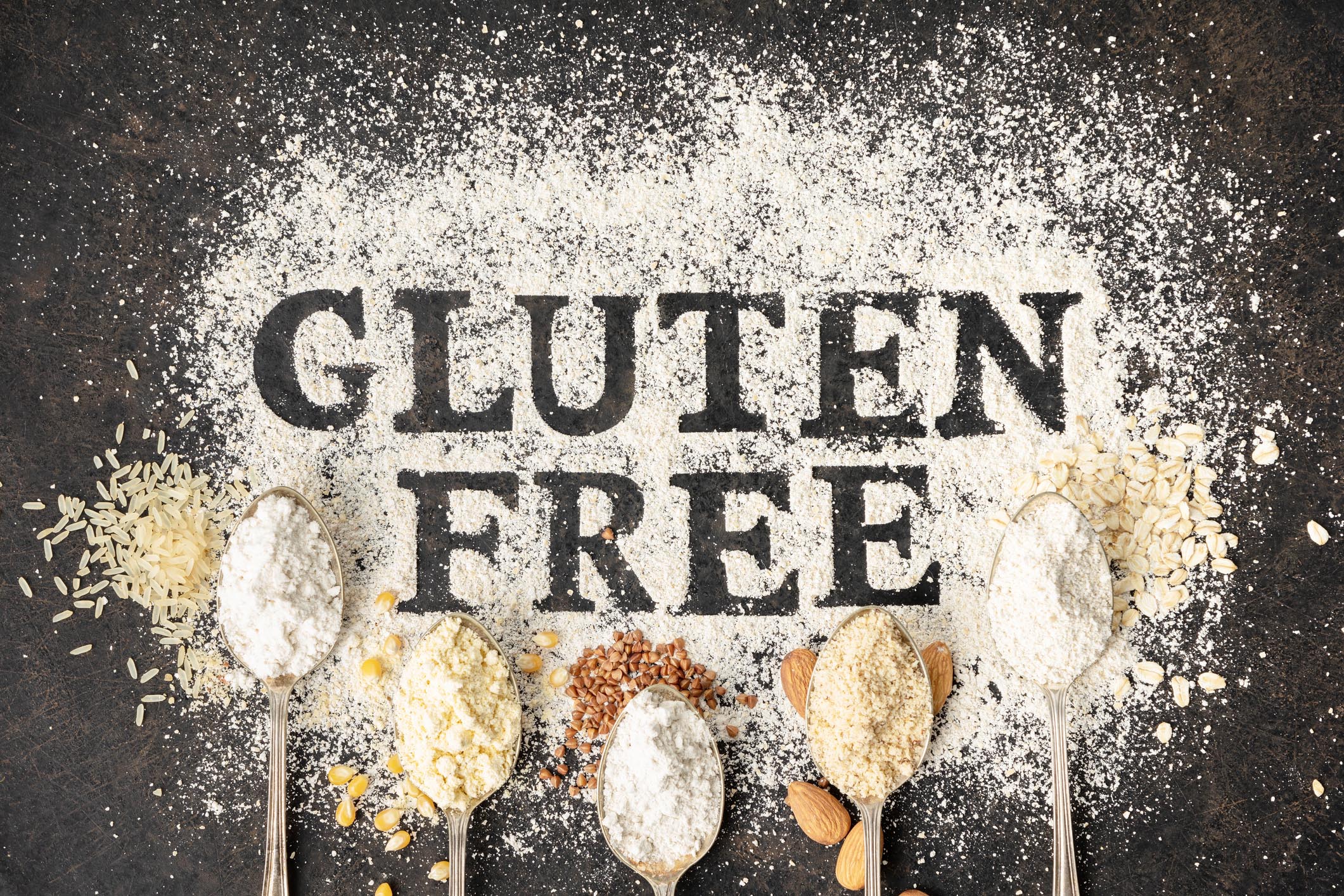
Going Gluten Free The Healthy Way
Looking to eliminate gluten for better digestion? Discover simple, easy ways to meal plan, shopping tips, and delicious recipes in this self-paced online class.

Nutrition Counseling
Work one-on-one with a licensed and registered dietitian to address your unique digestive concerns—such as bloating, IBS, acid reflux, Celiac’s Disease, and more. Together, you’ll create a customized plan that addresses the root cause of your symptoms, fits your life and helps you feel your best – finally.
Nutrition counseling offers:
- Personalized Approach: Tailored to help you achieve your wellness goals.
- Real Food Focus: Whole, natural foods and practical lifestyle changes.
- Expert Guidance: Customized plan suited to your specific needs.
- Sustainable Tools: Knowledge and resources to make informed healthy choices for life.
- Science-Based, Compassionate Support: Proven science delivered with genuine care and support – not judgement.
Insurance may cover your nutrition counseling, depending on your health plan. For more information go to Insurance Coverage for Nutrition Counseling.
Digestion 101
Symptoms Of Poor Digestion
- Early satiety (i.e., you get full very quickly on a small amount of food)
- Bloating and discomfort immediately following or within 20 minutes of completing a meal
- Heartburn or acid reflux
- Gas (belching or flatulence)
- Food particles in the stool
- Stool that floats or looks oily/greasy
- Gallbladder removed
- Frequent use of antacid medications (over the counter or prescription)
- Eating in a stressed or distracted state (wolfing down a meal on the way to work or between meetings, eating while checking email or social media, eating at the kitchen counter, etc.)
- Nutrient deficiencies, such as low iron, low B12, low zinc, low magnesium
- Weight loss surgery (gastric bypass)
- Inflammation in the digestive tract (IBS, Celiac disease, Crohn’s disease, ulcerative colitis, diverticulosis/diverticulitis)
What Is the Microbiome?
This can be confusing, but microbiome is one of many names referring to the living microorganisms that reside in and on the human body: microbiome, microbiota, probiotics, good gut bugs, gut bacteria, intestinal flora, are just a few examples of the other names you may have heard before. As humans, we are made up of human cells with human genes, but our bodies also have a MASSIVE collection of other organisms and their genes. In fact, we have ten times more microbial cells than human cells, and 100 TIMES more microbial genes than human genes! This discovery opened up a new world of thinking: could these microbes have a GREATER impact on our health and well-being than our human cells?
The intestinal tract is the area of the body that is especially rich with these microbes and their genes, and has stolen much of the research limelight in recent years. Our gut “rainforest” is made up of 400-1,500 different microbial species, and it’s a delicate balance between beneficial, harmful and neutral microbes.3 In fact, the more diversity our gut has, the healthier it is.
When functioning properly, our microbiomes are able to:
- Aid in the digestion and absorption of food
- Keep our intestinal lining intact (i.e., prevention of “leaky gut” which is when you have holes in the lining of your intestinal tract that allow food, bacteria and other things from your intestines to escape into your blood stream)
- Support the immune system, brain function, and much more
But what about when the microbiome is unbalanced? As mentioned earlier, a healthy gut typically has balanced diversity of species; so a shift toward more harmful microbes/fewer beneficial microbes, can have a negative impact on our health.
Here are some digestive signs to watch for that signal your microbiome is in distress:
- Heartburn
- Gas
- Bloating/cramping/pain
- Indigestion
- Constipation
- Diarrhea
- Early fullness
- Nausea/vomiting
- IBS
- Inflammatory bowel disease: Crohn’s, colitis
- Colon cancer
Now, the tricky part – an imbalanced microbiome can also be a factor in non-digestive-related symptoms and disorders, such as:
- Brain fog or memory loss
- Anxiety and depression
- Joint or muscle pain
- Autoimmune diseases like Hashimoto’s (low thyroid function), rheumatoid arthritis, multiple sclerosis, etc.
- Obesity
- Frequent illnesses and infections
- Asthma
How about some good news to get us started – 60% of our microbial diversity is impacted by our food choices, and our microbes are relatively quick to adapt and shift to changes in diet. We have the power to have a major impact on our gut health and diversity simply through what we eat.
What can you do?
A wonderful, real food way to heal your gut is to incorporate more fermented foods, which are rich in probiotics. Foods such as whole-milk yogurt or kefir, sauerkraut, kimchi, kombucha, and fermented vegetables (such as carrots and beets) support a healthy gut and add tasty flavor to your meals.
Populate your gut with good bacteria
The second step we recommend for people dealing with digestive issues is to help populate the gut with good bacteria. This means cutting back on or eliminating sugary foods and alcohol, reducing stress, and cutting back on use of pain medications (if possible) —all of which negatively affect the intestinal lining.
The intestinal tract has a shocking amount of bacteria living in it – 75 to 100 TRILLION. Some are good bacteria (probiotics) and some are bad bacteria. When the right balance of probiotics is achieved our intestinal tract is able to efficiently aid in digestion and absorption of nutrients, support the immune system, brain function, and much more.
For those experiencing digestive upset, there are two key supplements that can help quicken the healing process, along with avoiding those inflammatory foods we’ve talked about before. We recommend adding in a quality bifido bacteria supplement along with l-glutamine. The bifido bacteria and l-glutamine will begin the process of healing and rebalancing the intestinal lining. This is especially important during and after any antibiotic use since antibiotics will wipe out all bacteria in the gut (good and bad).